
A building’s facade is far more than the outer shell that shapes its appearance. It acts as the first line of defense against climate, pollution, and everyday wear. The problem begins when the wrong material is chosen, because the facade starts to fade, crack, leak, or trap heat much earlier than expected.
In India, this issue becomes even more serious. Our buildings face extreme temperatures, heavy monsoons, dust, humidity, pollution, and increasing energy costs. When a facade material cannot handle these challenges, the building quickly loses efficiency, demands frequent maintenance, and becomes uncomfortable for people living or working inside. Over time, this leads to higher expenses, safety concerns, and reduced property value.
This is why architects, developers, and homeowners today are looking for modern, engineered facade systems that deliver long-term durability along with a clean, modern look. They want materials that are energy-efficient, sustainable, and strong enough to perform well for decades.
This guide makes the selection process easier. It explains what a facade truly does, what factors matter most, and how to choose the right material for long-term performance.
While a facade contributes significantly to the visual identity of a building, its functions go well beyond aesthetics. It forms the external barrier that protects interiors from heat, dust, sunlight, noise, moisture, and wind. A well-designed facade also influences how comfortable the indoors feel, how much natural light enters a space, and how efficiently a building consumes energy.
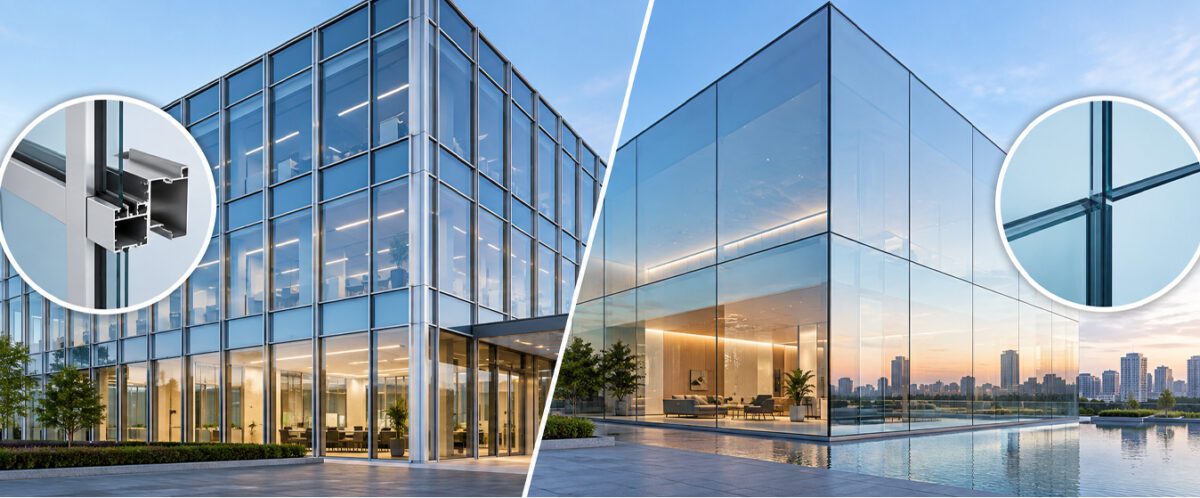
In modern architecture, facade systems combine structural engineering with material performance. Whether it is a curtain wall glazing system with aluminium framing or a ventilated cladding assembly designed for thermal comfort, the facade plays a vital role in regulating temperature, improving ventilation, and enhancing building efficiency. Its contribution to long-term durability is equally important. The right facade can reduce structural stress, prevent moisture-related damage, and support the building envelope for decades.
India’s diverse geographic landscape makes climate compatibility one of the most critical considerations. A facade material that performs well in a dry northern region may struggle in coastal humidity. Materials must handle intense sun exposure, monsoon moisture, heat gain, and pollution without breaking down.
Choosing materials engineered for specific climates, such as heat-resistant panels, insulated glass, or corrosion-proof aluminium, is the first step toward long-term performance.
Most of the energy consumed in homes and commercial buildings relates to cooling. The facade has a direct impact on this load.
Materials with high thermal resistance, low heat absorption, or integrated insulation help reduce energy consumption significantly.
Energy-efficient glazing, ventilated facade systems, thermal breaks in aluminium frames, and reflective surface finishes all contribute to better temperature regulation.
Durability determines how well the facade will perform over the years. In India, the combination of UV exposure, pollution, acid rain, humidity, and temperature variations can degrade low-quality materials quickly.
Modern facade solutions like engineered stone alternatives, aluminium composite panels, clay panels, and terracotta systems are designed to withstand harsh conditions with minimal deterioration.
Maintenance plays a major role in life-cycle cost. Some materials require frequent cleaning, polishing, or repair, while others remain stable for years.
Aluminium systems, high-pressure laminates, and engineered composites are known for being low-maintenance which makes them ideal for high-rise buildings and large commercial campuses where frequent upkeep is impractical and expensive.
Sustainability is becoming a priority in Indian construction.
Facade manufacturers are increasingly offering materials made from recyclable metals, energy-efficient glass, terracotta, and clay-based panels.
These materials support green building goals by lowering energy usage, improving air quality, and reducing the environmental footprint over time.
A facade must adhere to fire-safety standards, structural stability guidelines, and local building regulations.
High-quality facade systems undergo rigorous testing for fire performance, wind resistance, impact strength, and water tightness.
Using certified materials from reputed facade manufacturers ensures compliance while maintaining long-term safety.
The facade also defines how a building looks and how well it blends with its surroundings.
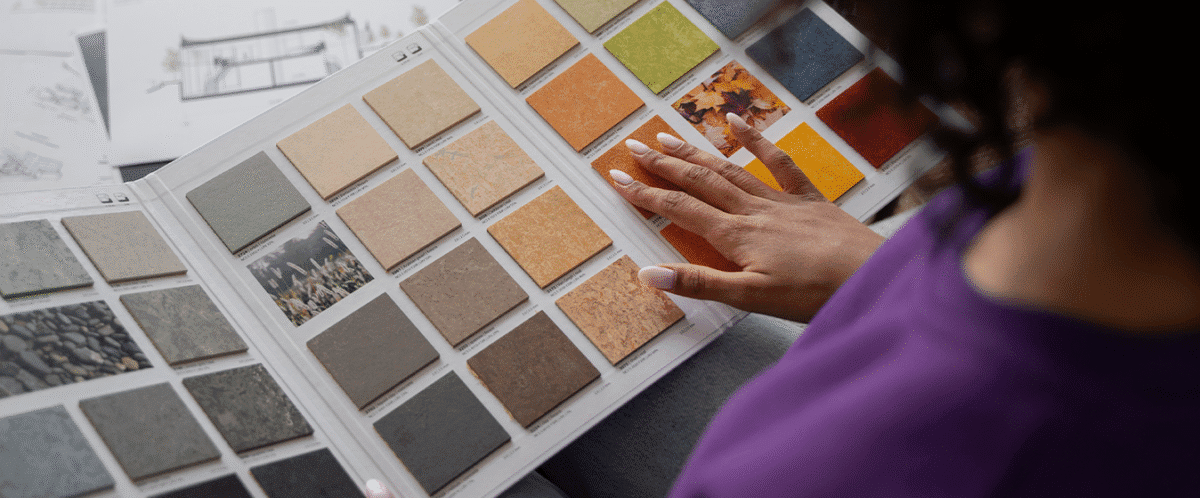
Whether the design requires sleek glass, textured stone, metallic cladding, natural terracotta, or minimalist aluminium, the choice of material should allow flexibility in shaping forms, colours, and finishes.
Versatility is especially important in projects where modern elements must blend with regional architectural cues.
While maintenance cost is important, it should never overshadow durability and performance.
A facade with a lower initial price may require frequent repairs, replacements, or maintenance, which ultimately raises the total cost.
Long-term ROI is determined by lifecycle performance, how well the material holds up over time, and how efficiently it supports energy savings.
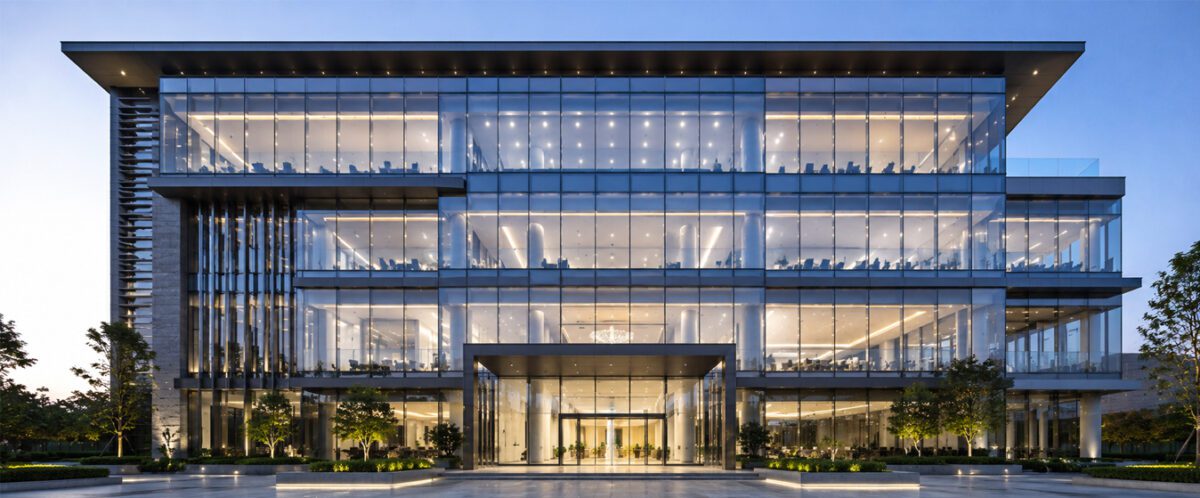
Glass facades are now synonymous with modern commercial architecture. They bring natural light into interiors and create a premium visual profile.
Energy-efficient glass panels, such as low-E or double-glazed units, offer better thermal control and help reduce cooling loads.
The success of glass facades relies heavily on proper engineering and installation, especially in high-rise buildings.
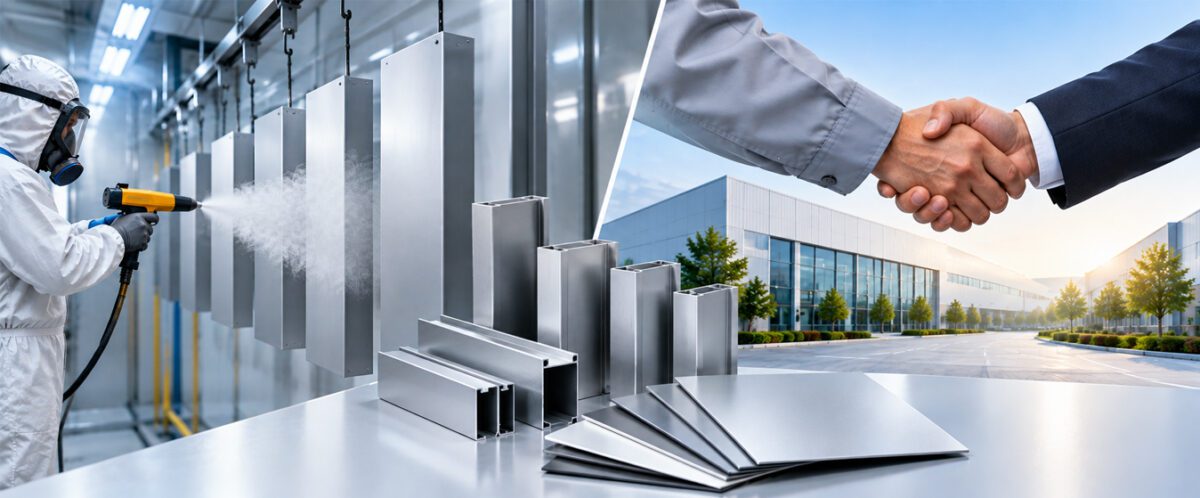
Aluminium remains one of the most reliable facade materials due to its lightweight structure, corrosion resistance, formability, and long lifespan.
Aluminium cladding, architectural screens, curtain wall frames, and facade panels are widely used across India.
Its ability to adapt to minimalist, industrial, or modern designs makes it a favourite among architects and facade manufacturers.
Aluminium composite panels are preferred for their clean appearance, affordability, and design versatility.
Engineered composites offer better rigidity, improved weather resistance, and enhanced thermal properties.
When sourced from reputable exterior facade manufacturers, composite systems can offer excellent value and durability.
Terracotta panels and clay-based systems provide natural warmth and excellent heat resistance. Their earthy tones and textures blend well with both modern and traditional architecture. They are especially suited for hot climates and sustainable building designs due to their breathable and eco-friendly properties.
Natural stone offers a classic appeal but comes with heavy weight and higher installation requirements.
Modern stone alternatives and lightweight stone-effect panels deliver the same aesthetic with reduced structural load.
They provide strong durability, making them suitable for public buildings, luxury residences, and institutional structures.
Traditional stone and concrete panels add significant structural load. Modern engineered panels are lightweight, which reduces the cost of supporting structures.
Heavy materials often retain heat, whereas modern facade systems are engineered to reduce heat absorption and support insulation.
Modern materials offer more colours, finishes, profiles, and customization.
Stone and concrete weather over time; engineered alternatives and aluminium systems require less upkeep.
Traditional materials may appear cost-effective initially but require higher maintenance. Modern composites offer better lifecycle value.
These mistakes often lead to long-term repair expenses, safety hazards, and poor energy performance issues that could easily be avoided with informed choices.
Selecting the right facade material is one of the most strategic decisions in modern construction. The facade defines how a building looks, performs, and ages over time. When materials align with climate, sustainability goals, performance needs, and architectural intent, the result is a structure that stays beautiful and efficient for decades.
For developers, architects, and homeowners seeking reliable facade systems and durable aluminium-based solutions, Aparna Externa is a trusted partner. With our focus on quality engineering, performance-tested materials, and advanced facade technology, we support long-term value and architectural excellence.
Transform your building with high-performance facade solutions today!
Contact us to bring lasting durability, modern design, and engineering precision to your next project.