
Modern architecture is no longer defined only by how a building looks. Increasingly, it is judged by how well it performs. From energy efficiency and occupant comfort to sustainability and durability, performance-driven design has become a central expectation rather than a specialised ambition. At the heart of this shift lies the building façade
Once viewed primarily as an exterior visual layer, the facade today functions as a complex interface between the indoor and outdoor environment. It plays a decisive role in regulating heat, light, air, sound, and moisture, while also shaping the architectural identity of a building. As cities grow denser and environmental pressures intensify, the importance of well-designed, high-performance facade systems continues to rise.
In this context, understanding the core elements that define a high-performance façade system becomes essential for architects, developers, and building professionals. This article explores the key design principles and performance considerations that shape modern façade systems, offering a foundational overview of how façades contribute to building efficiency, comfort, and long-term value.
A high-performance facade systems can be understood as an integrated building envelope designed to respond intelligently to environmental conditions while supporting occupant comfort and operational efficiency.
Such systems are composed of multiple interdependent components. These typically include glazing, framing, insulation, shading devices, air and moisture barriers, and ventilation elements. Each component performs a specific function, but the true effectiveness of the facade emerges from how these elements work together as a coordinated system.
The primary objective of a high-performance façade is to moderate the exchange of heat, light, and air between the interior and exterior. By doing so, it reduces dependence on mechanical systems, improves indoor environmental quality, and supports sustainability goals. Importantly, performance is not universal or generic. A façade that performs well in one climate or context may be unsuitable in another. This makes climate responsiveness and site-specific design essential to façade performance.
One of the most fundamental aspects of high-performance façade design is its response to local climate and site conditions. Factors such as solar exposure, prevailing winds, temperature variations, humidity levels, and surrounding urban context directly influence how a facade should be designed.
Building orientation plays a crucial role in managing solar heat gain and daylight penetration. East and west-facing façades, for instance, are typically exposed to low-angle sunlight, which can result in excessive heat gain and glare if not carefully managed. South-facing façades in many climates benefit from controlled shading strategies that block high summer sun while allowing winter sunlight to enter.
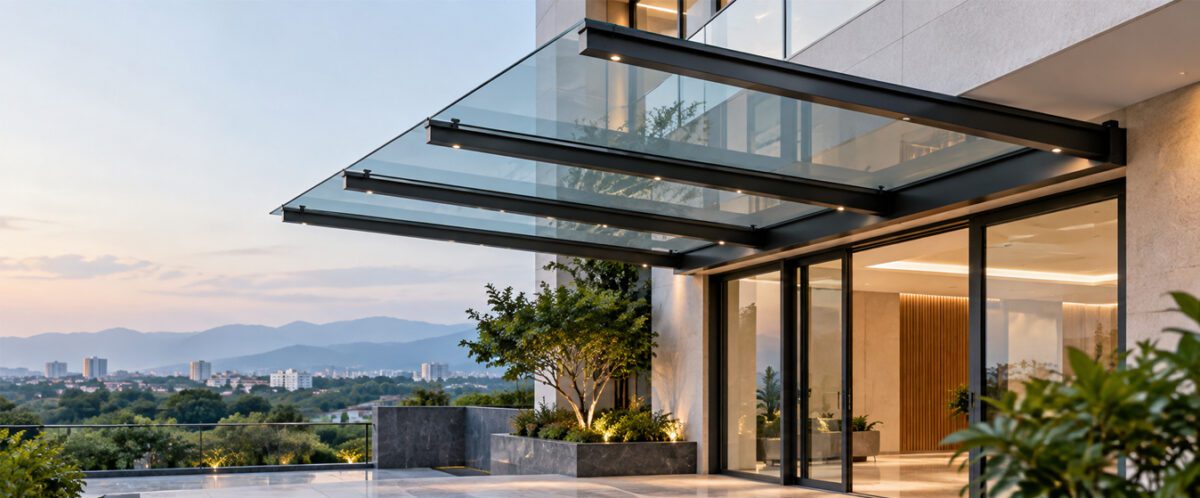
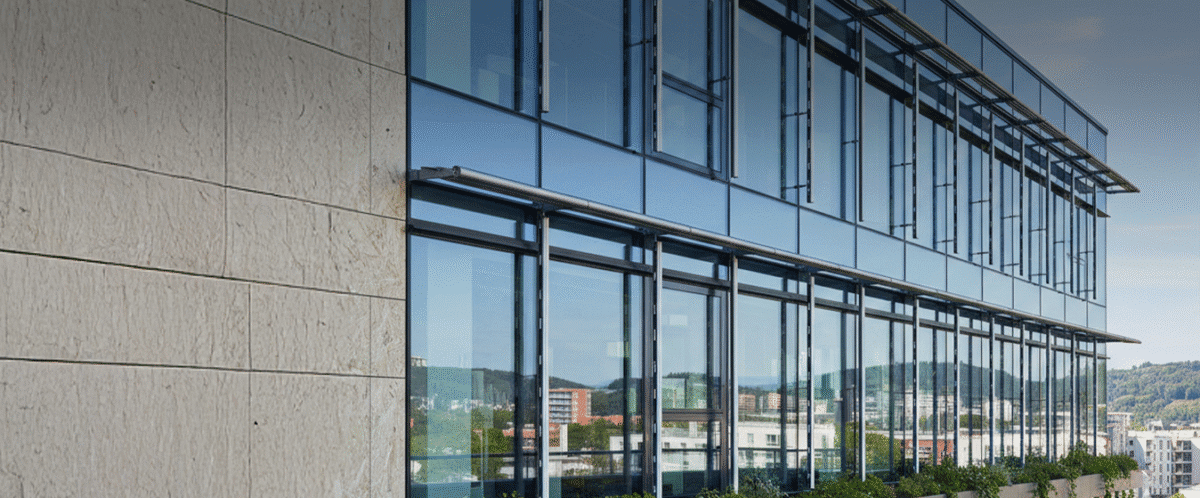
Passive design measures form the foundation of climate-responsive façades. Shading devices such as overhangs, louvres, fins, and screens are commonly used to reduce solar heat gain without compromising daylight. When thoughtfully designed, these elements improve energy efficiency while contributing to the architectural character of the building.
By responding to climate rather than resisting it, well-designed facade systems help reduce cooling and heating loads, leading to lower operational energy demand and improved indoor comfort.
Natural light is one of the most valuable resources a façade can provide. Beyond reducing the need for artificial lighting, daylight has a significant impact on occupant well-being, productivity, and overall spatial quality. However, achieving good daylight performance requires more than simply increasing the amount of glass.
High-performance façade design focuses on balancing daylight quantity with daylight quality. Excessive glazing or poorly specified glass can lead to glare, overheating, and visual discomfort. Factors such as window-to-wall ratio, glazing placement, glass performance, and shading strategies must be carefully considered to ensure comfortable daylight conditions.
Visual connection to the outdoors is equally important. Access to views has been shown to enhance occupant satisfaction across residential, commercial, healthcare, and hospitality buildings. Facades that allow controlled transparency while minimising glare help maintain this connection without compromising comfort.
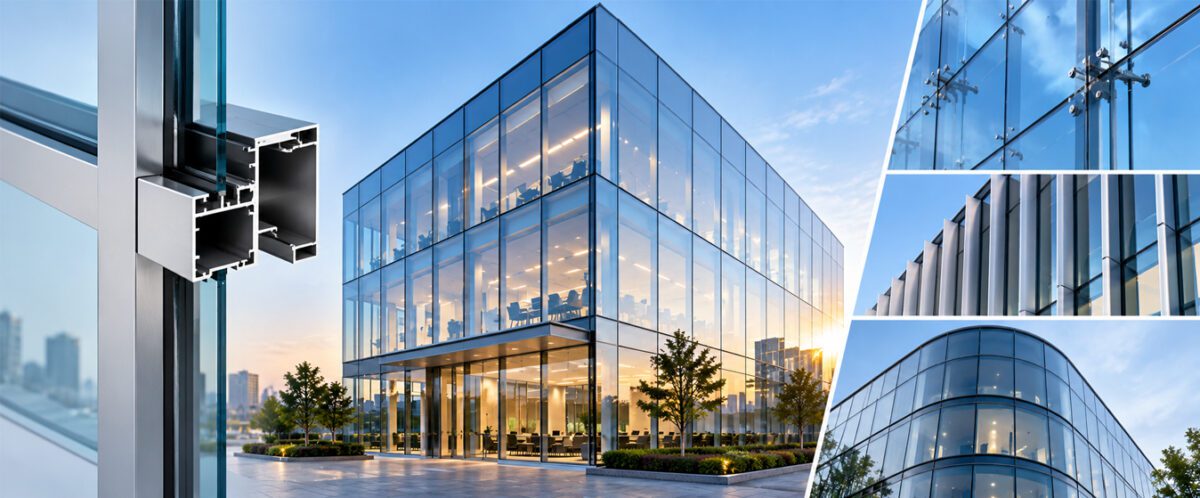
Aluminium glass facade systems are often used in modern architecture to support these objectives. Their structural efficiency allows for larger glazed areas and slimmer profiles, making it easier to achieve balanced daylight distribution while maintaining performance requirements.
Energy efficiency is one of the most widely recognised benefits of high-performance façade systems. The façade significantly influences how much heat enters or escapes a building, directly affecting heating and cooling demand.
Heat transfer through the façade occurs primarily through conduction, radiation, and air leakage. Effective façade design addresses all three. Insulation limits conductive heat flow, glazing performance controls radiant heat gain and loss, and airtight construction reduces unwanted air infiltration.
Glazing selection is particularly critical. Performance characteristics such as U-value, solar heat gain coefficient, and visible light transmittance determine how glass contributes to thermal comfort and energy use. High-performance glazing systems, when combined with appropriate shading, can substantially reduce energy loads without sacrificing transparency.
Early-stage design decisions are key. Evaluating energy performance during conceptual design allows facade strategies to be optimised before material choices become fixed. This integrated approach ensures that energy efficiency is embedded into the building envelope rather than added as an afterthought.
While energy performance is often measured in numbers, occupant comfort is experienced subjectively. A successful façade system creates indoor environments that feel comfortable throughout the year, without excessive reliance on mechanical heating or cooling.
Thermal comfort near the building perimeter is strongly influenced by facade design. Poorly insulated or inadequately shaded façades can create temperature fluctuations, cold drafts, or overheating near windows. High-performance façades aim to maintain stable indoor temperatures by reducing thermal bridging and managing solar exposure.
In addition to temperature control, façade design affects indoor air quality and overall environmental comfort. By supporting natural or hybrid ventilation strategies, facades can help regulate fresh air supply while reducing energy use. The result is a healthier and more comfortable indoor environment that supports the building’s intended use.
As urban environments become denser, noise control has emerged as an important aspect of building performance. Traffic, construction activity, and surrounding developments can significantly affect indoor acoustic conditions, particularly in residential, office, and institutional buildings.
The facade acts as the first line of defence against external noise. High-performance facade systems incorporate materials and assemblies that reduce sound transmission while maintaining other performance criteria. Acoustic glazing, insulated panels, and carefully detailed joints all contribute to improved noise control.
Acoustic comfort is closely linked to occupant well-being and productivity. By limiting noise intrusion, facades help create environments that support concentration, rest, and social interaction. This makes acoustic performance a critical, though often underestimated, component of facade design.
Material selection plays a decisive role in the durability and lifecycle performance of facade systems. Beyond aesthetics, materials must withstand weather exposure, temperature variations, pollution, and long-term use with minimal maintenance.
Durable materials contribute to consistent performance over time and reduce the need for frequent repairs or replacements. This not only lowers lifecycle costs but also supports sustainability by extending the service life of the building envelope.
Aluminium is widely used in modern facade systems due to its strength, corrosion resistance, and recyclability. When combined with high-performance glazing, aluminium glass facade systems offer a balance of structural efficiency, design flexibility, and long-term reliability.
Selecting materials with proven performance characteristics allows facade systems to maintain their functional and visual integrity throughout the building’s lifespan.
Sustainability in facade design extends beyond operational energy savings. Increasing attention is being given to embodied carbon, which refers to the greenhouse gas emissions associated with material extraction, manufacturing, transportation, installation, and end-of-life processes.
Facade materials can contribute significantly to a building’s embodied carbon footprint. Addressing this impact requires early awareness and informed decision-making during the design phase. Strategies such as material optimisation, efficient system design, and the use of recyclable materials can help reduce overall carbon impact.
High-performance facade systems support sustainability by reducing operational energy demand while also enabling more responsible material choices. This dual focus aligns with broader environmental goals and evolving building standards.
High-performance facade systems have become a defining element of modern architecture. Far from being decorative layers, facades today function as intelligent building systems that influence energy use, comfort, durability, and sustainability. By responding to climate, managing light and heat, supporting occupant well-being, and optimising material performance, facades play a central role in shaping how buildings perform over time.
Achieving this level of performance requires an integrated approach that brings together architectural design, engineering expertise, and a deep understanding of environmental behaviour. As expectations around efficiency and sustainability continue to rise, the importance of well-conceived façade systems will only grow.
During this shift, experienced facade solutions manufacturers contribute by bringing world-class design intent into high-performing building envelopes through precise engineering and system-driven execution. With a strong focus on facade engineering, digital design processes, and quality-driven delivery, Aparna Externa brings together architectural vision and technical expertise to create facade systems that perform reliably while enhancing the built environment.