
Ever noticed how some rooms feel bright and open the moment you step in, while others stay dull even in daytime?
It is rarely just about design. It is about light and where it comes from.
In many Indian homes and commercial spaces, skylights are becoming the quiet difference-maker. A simple opening on the roof can completely change how a space feels. More daylight, less dependence on artificial lighting, and a more open atmosphere overall.
But here is where things often go wrong.
A skylight is exposed to sun, rain, heat, and wind all year round. If the design, glass quality, or installation is weak, problems like leakage, overheating, or condensation start showing up. And once they appear, fixing them is not easy.
That is why the manufacturer behind the skylight matters as much as the skylight itself.
Choosing the right skylight manufacturers in India is not just a design decision. It directly affects the comfort, durability, and long-term performance of your space.
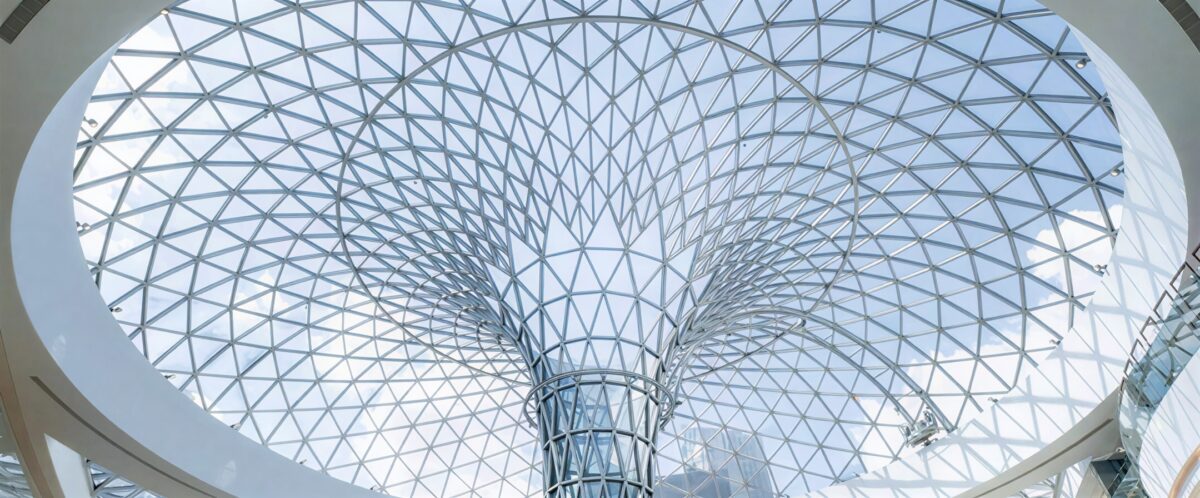
A skylight is a glass opening placed on the roof to bring natural light directly inside a space. It works differently from normal windows because it pulls sunlight from the top instead of the sides.
That small difference changes how a room feels. Light spreads deeper. Shadows reduce. Spaces feel more open without changing the structure of the room.
You usually see skylights in:
Some skylights stay fixed. Some are open for air. Some are designed for compact spaces using tubular systems. The idea is to use the roof as a source of light.
Skylights are not new but what has been witnessed in the recent years is the increased use of skylights in India.
A reason is because of urban life. Apartments are becoming smaller and there is less natural light at the sides of the windows. The other cause is preference in design. Individuals are demanding light, open rooms rather than the heavy, closed rooms.
The amount of energy consumed is also a huge consideration. There is less artificial light during the day and as a result, less electricity is used. Meanwhile, daylight is now considered as an element of design rather than an afterthought by modern architecture.
A combination of all these is rendering skylights an ordinary occurrence at homes and commercial buildings.
A skylight can resemble a mere glass-covered roof panel, however, it is actually a system. It handles heat, rain, wind pressure, sealing and structural load on a daily basis.
When the skylight manufacturer fails to comprehend these aspects appropriately, problems begin to manifest themselves in the long run.
You might see:
And it is not simple to rectify these issues later since the skylights are mounted on roofs and not walls.
This is the reason why selecting the right skylights manufacturer in India is not purely a design process. It is a performance long-term decision.
| What to Check | What It Means | Why It Matters in Real Life |
| Experience in projects | They have handled real buildings, not just samples | They understand how skylights behave in Indian weather |
| Range of skylights | Multiple options like fixed, ventilated, tubular | You get the right solution for each space |
| Material quality | Strong aluminium frames and tested glass | Ensures safety and long life |
| Heat control performance | Glass that reduces heat and glare | Keeps interiors comfortable |
| Customisation | Made as per your space and design | No forced standard sizing issues |
| Ventilation options | Openable or motorised systems | Improves airflow and comfort |
| Installation quality | Proper sealing and fitting work | Prevents leakage and future damage |
| Safety standards | Tested structural and glass strength | Handles wind, load, and impact safely |
| Project experience | Homes, offices, commercial sites | Shows practical capability |
| After-sales support | Maintenance and service help | Long-term peace of mind |
Skylights are selected based on how a space is used, not just how they look.
In real projects, each type serves a very specific purpose, like light, ventilation, or flexibility.
Fixed skylights stay closed and are used mainly for natural light. They are simple, stable, and widely used where airflow is not required.
Common use:
They work best when the goal is only daylight without any moving mechanism.
These skylights can open manually or through motorised systems. They support both daylight and airflow.
Common use:
They help release trapped heat and improve indoor comfort, especially in warm climates.
Tubular skylights are compact systems designed for small or enclosed spaces. Light is captured from the roof and directed through a reflective tube.
Common use:
These are installed on a raised frame above the roof. The elevation improves sealing and water protection.
Common use:
They are preferred where weather protection is a priority.
Deck-mounted skylights sit directly on the roof surface and offer a more integrated finish.
Common use:
They are chosen for a cleaner architectural look.
These are advanced skylight systems where the roof can open or close using motorised control.
Common use:
They provide flexibility between open-air and covered spaces depending on the weather or requirements.
In most areas of India, there is abundant heat and sunlight. So skylights are not only required to bring light.
Good systems are able to deal with heat. They employ double glazing or solar control glass, or Low-E finishes to cut down the temperature indoors.
This makes rooms bright yet not uncomfortable. It also decreases the air conditioning reliance in the day time.
A good skylight maker never designs only on the looks but also considers climatic considerations.
The requirement varies depending on roof shape, room size and the direction of the sunlight.
This is why it is important that it is flexible.
A manufacturer of good skylights lets them be adjusted in terms of size, shape and location. This assists them to get integrated into the architecture rather than appearing as an addition.
Skylights when done well become a part of the building design and not an additional installation.
Installation decides the final performance.
Even a high-quality skylight can fail if sealing or alignment is not done correctly.
Installation includes:
Proper execution includes:
Missing even one step can lead to leakage, heat gain, or structural issues.
That is why manufacturer involvement during execution directly impacts long-term performance.
Many people make similar mistakes.
These mistakes usually show up after installation, not before.
Start by understanding your own requirements clearly. Light, ventilation, or both.
Then compare manufacturers based on real experience and past projects.
Ask simple but important questions about materials, installation, and performance.
If answers are unclear or overly complicated, that is a warning sign.
Good manufacturers explain things simply and practically.
Skylights have the ability to transform the feel of a space. They illuminate the space, make it comfortable, and livelier. However, their operation greatly relies on their design and execution.
This is why it becomes the most important step to choose the right Skylights Manufacturer in India.
Aparna Externa is a company that specializes in providing designer skylight and facade systems which integrate design thinking and technical accuracy. The strategy remains based on good materials, meticulous construction, and mechanisms that can work under the actual conditions of the site, to assist in the development of spaces that look brighter, more open, and can be used over a long period.
Q1. How do I know if I need a skylight?
If your space feels dark in daytime, a skylight adds natural light to windowless rooms. It improves ventilation and ambiance, but requires professional installation to stay leak-proof.
Q2. Will a skylight increase heat inside the room?
Not if it is combined with double/ triple glazing, Low-E coatings, and blinds. These options can effectively manage the heat gain.
Q3. Can skylights be installed in an existing home?
Yes, it can be installed. But it depends on the roof structure and needs a basic site check before installation.