Why do some buildings instantly feel brighter and more inviting, while others still appear heavy and closed?
The difference often begins with the facade.
Traditional exterior walls can limit daylight and narrow design possibilities. In large commercial buildings, this often leads to darker interiors and bulky exteriors that leave little room for visual openness.
Buildings now need to do more than simply stand tall. They need to welcome natural light, perform efficiently, and create memorable spaces.
That’s where a glass curtain wall system changes the equation.
By replacing solid exterior walls with lightweight glazed facades, it opens up interiors, improves building performance, and creates a refined architectural identity. More importantly, it works as a protective building envelope that integrates functionality and design into one single solution.
A glass curtain wall system is an exterior wall that is mounted to a building’s structure. Does not support the weight of the structure. Rather, it is a barrier between the inside and outside world.
The structural framework is used to support the building. The curtain wall has a totally different function.
It is wind-resistant. It helps to keep the interior dry and rain-free. It also helps to minimise the effect of temperature changes on indoor spaces.
Meanwhile, it provides an open-air feel that is often hard to achieve with solid walls on the outside.
The system is composed of several components. The visible surface consists of glass panels. The glazing is supported by the framing members, and the external loads are transferred to the structure. The facade is anchored by anchors, and gaskets and sealants keep water and air out.
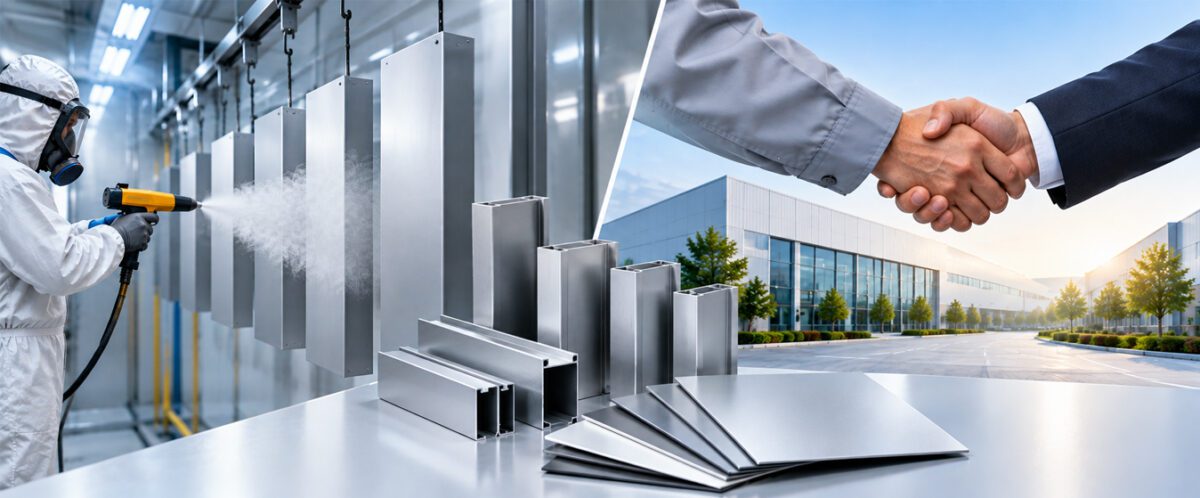
Aluminium glass curtain wall has become one of the preferred choices of facade systems for commercial construction. Aluminium has a high strength-to-weight ratio.
The evolution of glass curtain wall systems happened alongside advancements in building construction.
The weight of the building was supported by exterior walls. As the height of the buildings increased, it was necessary to increase the thickness of these walls and hence the limitations on window size and design.
The use of columns and beams began to allow exterior walls to become non-load-bearing.
As structural changes were made within the building, it became possible for architects to design lighter facades, larger glass areas and more open designs.
The use of aluminium as a framing material became a perfect solution as it allowed for large glass panels and still kept the facade lightweight.
Laminated glass enhanced safety, insulated glazing improved thermal performance, and Low-E coatings helped increase energy efficiency.
A curtain wall may appear simple from the outside, but several carefully engineered elements work together behind the facade to make the system perform effectively.
Protection is the primary function of a curtain wall system. It creates a barrier between the indoor and outdoor environments and helps shield the building from rain, dust, wind, and changing temperatures.
Modern systems also include weather seals and drainage channels that guide water away from the facade and minimise air leakage. As a result, interiors remain more comfortable throughout the year.
Although curtain walls do not support the weight of the building, they constantly face external forces. Strong winds, especially around taller buildings, place considerable pressure on the facade. The framing system and anchoring components transfer these loads safely to the structural frame, keeping the exterior stable without adding unnecessary weight.
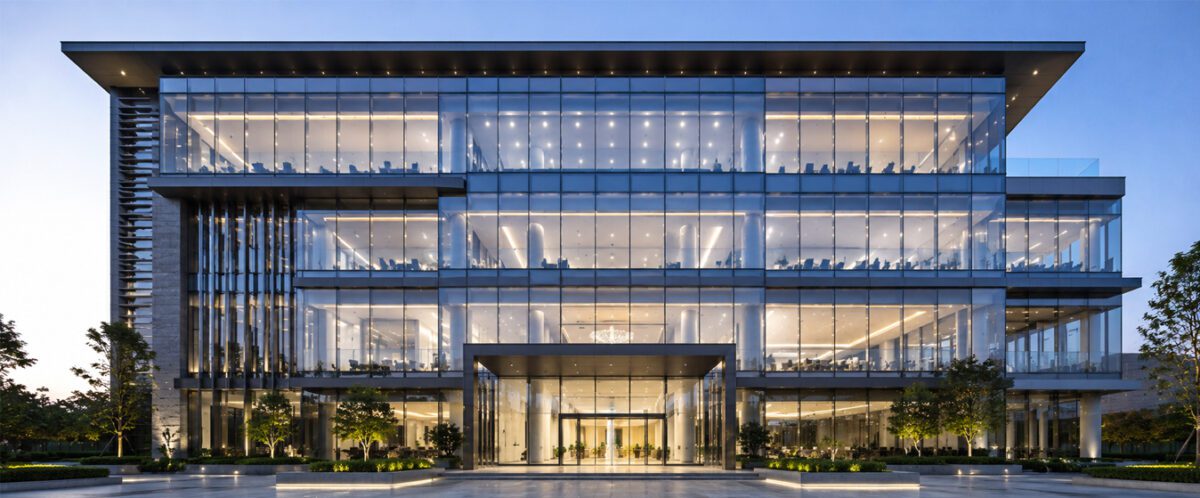
One of the reasons curtain walls have become so popular is their ability to bring in natural light. Large glazed surfaces allow daylight to travel much deeper into interior spaces, creating brighter and more inviting environments.
Modern glazing technologies add another layer of performance. Insulated glass and Low-E coatings help control heat transfer, making indoor spaces more comfortable and improving overall energy efficiency.
Temperature fluctuations cause materials to expand and contract, while wind loads and structural settlement create additional movement. Curtain wall systems address these changes through flexible joints and specialised sealants that absorb movement without affecting facade performance. This adaptability plays an important role in the system’s long-term durability.
The performance of a curtain wall depends on how effectively its components work together.
Each element performs a specific role.
Glass panels form the visible exterior surface of the facade.
They allow natural light to enter the building and establish its architectural character.
Different projects use different glazing solutions depending on performance requirements. Laminated glass improves safety and acoustic comfort. Insulated glazing enhances thermal performance. Low-E glass helps manage solar heat gain while allowing daylight to pass through.
Frames provide structural support for the glazing panels.
The aluminium glass curtain wall system is widely preferred because aluminium offers an excellent combination of strength, durability, and lightweight performance.
It resists corrosion and adapts easily to customised designs. Aluminium profiles can also accommodate large glazed surfaces without placing excessive loads on the structure.
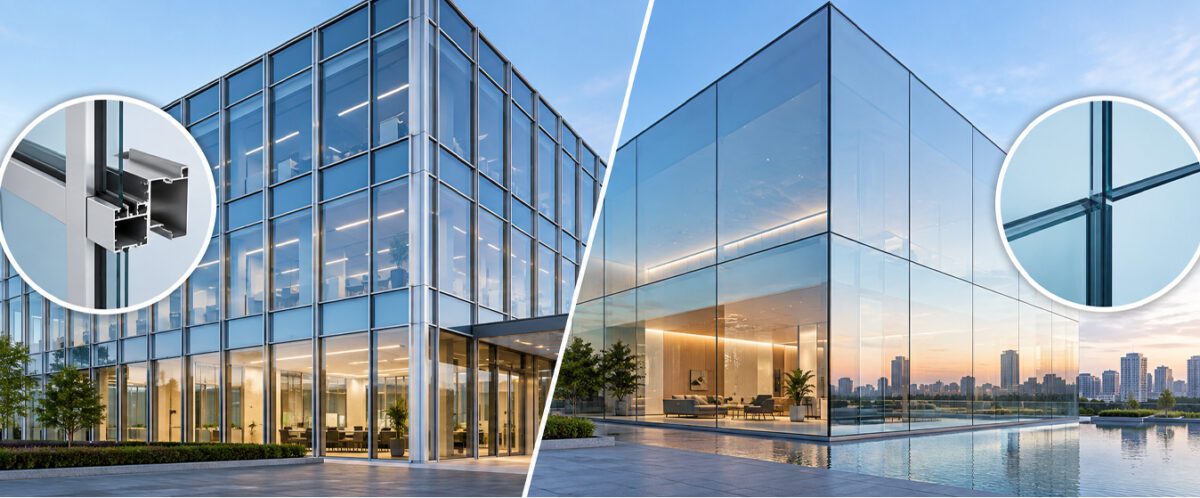
Mullions are the vertical framing members of the facade.
Transoms run horizontally.
Together, they form the support grid that holds glass panels securely in place and distributes external loads across the system.
Anchors connect the facade to the building’s structural framework.
These components ensure that the curtain wall remains securely attached while safely transferring external loads to the structure.
Their role may not be visible, but they are essential to the stability of the entire system.
Small components often have a significant influence on facade performance.
Gaskets and sealants create airtight and watertight joints between facade elements. Insulation materials improve thermal resistance and reduce the transmission of external noise into interior spaces.
Together, these elements help improve comfort, durability, and overall building performance.
Different projects demand different facade solutions. The curtain wall system type is typically determined by the building’s height, construction schedule, design needs, and complexity.
Stick systems are assembled entirely on-site. Construction teams install the mullions and transoms first before positioning the glazing panels. This approach offers considerable flexibility because adjustments can be made during installation if project requirements evolve.
For smaller commercial projects and mid-rise buildings, stick systems often provide a practical solution. However, the installation process generally takes longer and demands closer coordination on-site.
Unitised systems follow a different method. Large facade modules are manufactured and assembled in factory-controlled environments, with each module typically incorporating framing, glazing, and insulation components.
Once transported to the site, the modules are installed directly onto the building structure. This process significantly reduces installation time and delivers greater consistency in quality, making unitised systems particularly suitable for high-rise towers and large commercial developments.
Structural glazing systems create the appearance of a seamless glass facade. Specialised silicone sealants bond the glazing directly to the supporting framework and conceal the framing elements from view. The result is a clean and contemporary exterior that creates a strong architectural statement.
The aluminium glass curtain wall system remains one of the most versatile facade solutions used in modern construction. Aluminium supports large glazed surfaces while keeping the overall system relatively lightweight. It offers excellent durability, adapts easily to customised designs, and can accommodate complex geometries.
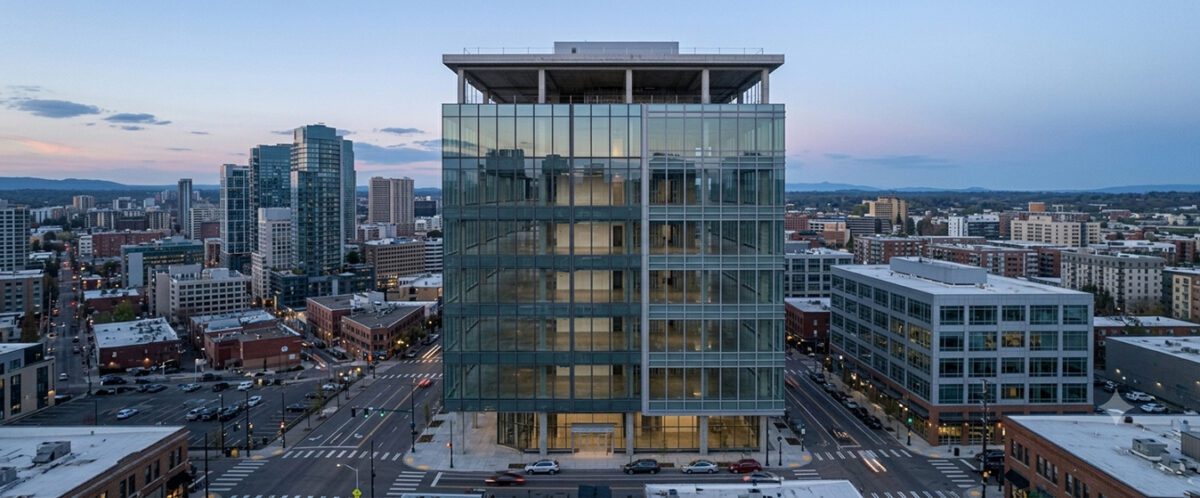
These qualities make aluminium-based curtain walls suitable for office buildings, airports, hotels, educational institutions, and large commercial projects.
Glass curtain wall facades are widely used across different types of modern buildings because they combine aesthetics with performance.
The glass curtain wall system has changed the way modern buildings look and perform. Heavy exterior walls and weighty glass facades lead to lighter interior spaces, better energy efficiency and the ability of the architect to create attractive structures.
It is also worth highlighting that the adoption of the aluminium curtain wall system is on the rise and that today’s buildings require facades that are both beautiful, durable and efficient.
Planning a new commercial project? Choosing Aparna Externa, a leading glass curtain wall manufacturers for advanced facade solutions, including curtain walls, glass assemblies, skylights, and aluminium systems. With a strong focus on quality, engineering precision, and innovation, we help create high-performance building exteriors that are built to last.
Q1. What is a glass curtain wall system?
A glass curtain wall system is a non-load-bearing exterior facade made of glass and framing materials, usually aluminium. It attaches to the building’s structural frame and protects the interiors from wind, rain, and temperature changes while allowing natural light to enter.
Q2. Why is an aluminium glass curtain wall system widely used in modern buildings?
An aluminium glass curtain wall system is popular because aluminium is lightweight, strong, and corrosion-resistant. It can support large glass panels, offers design flexibility, and delivers long-term durability with relatively low maintenance.
Q3. How long does a glass curtain wall system last?
A well-designed and properly installed glass curtain wall system can last for several decades. Regular inspections, glass cleaning, and maintenance of sealants and drainage systems help maintain its performance and extend its lifespan.