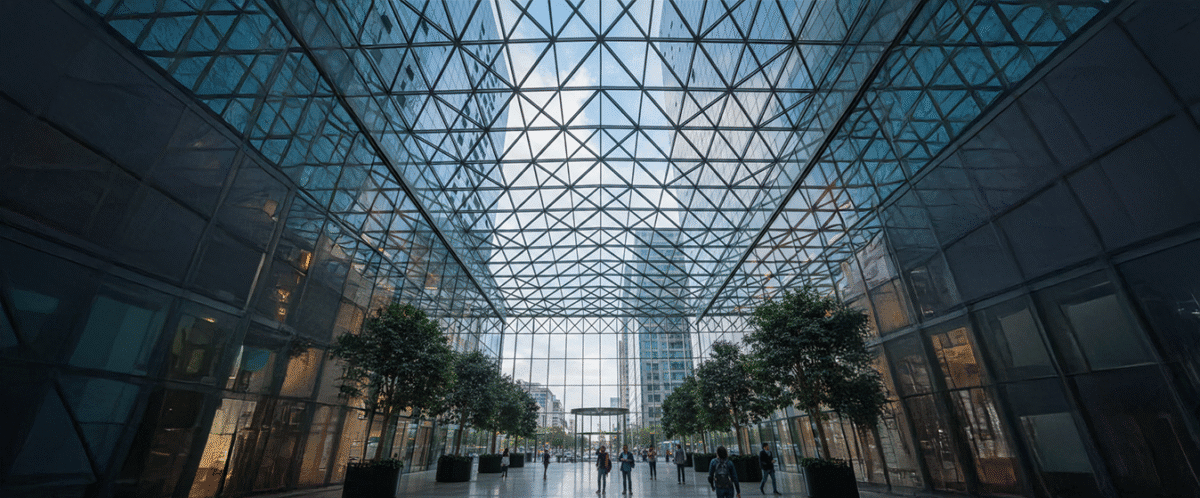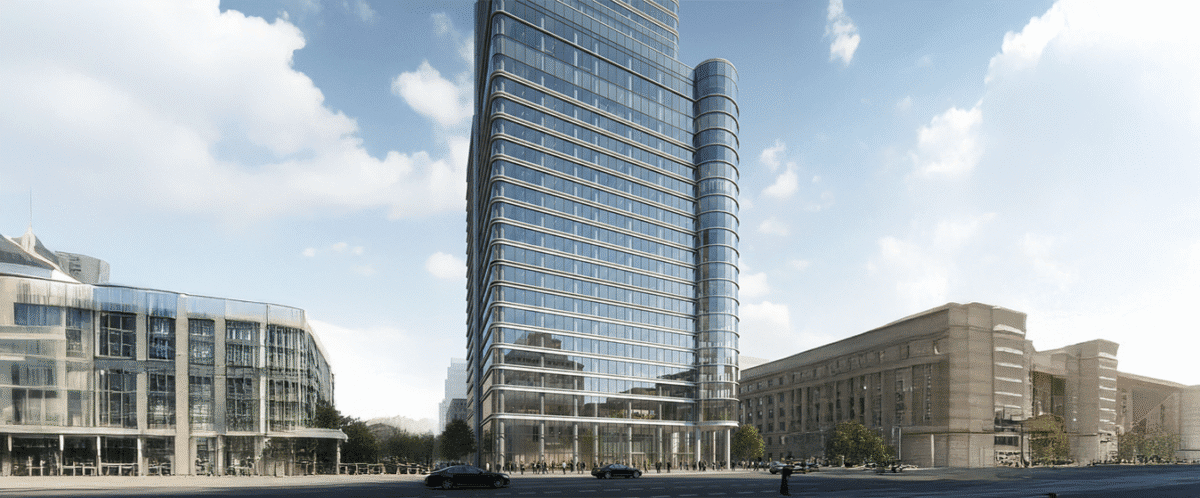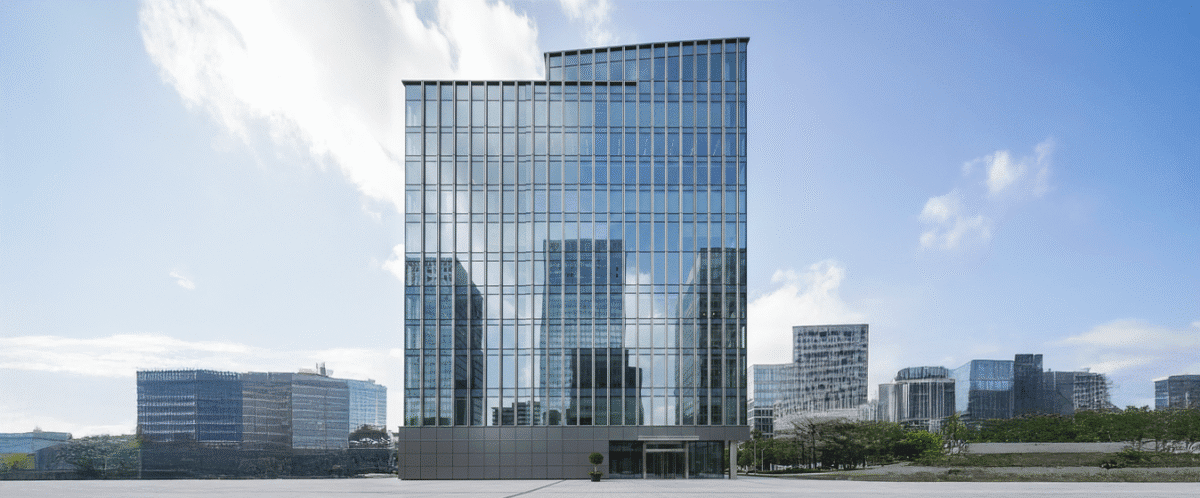
Modern architecture has shifted decisively toward facades that look clean, lightweight, and technologically advanced. Whether you look at corporate towers, glass-fronted airports, or modern institutional buildings, one feature consistently stands out—the curtain wall.
Among the different materials available for these facade systems, aluminium has quickly become the preferred choice for architects and developers who want a sleek exterior without compromising performance.
As buildings become taller and design expectations grow more demanding, aluminium curtain wall systems have proven to be one of the most reliable ways to achieve both aesthetic and functional excellence. They combine structural stability with visual transparency, allowing buildings to feel lighter while performing better in energy efficiency, durability, and long-term sustainability.
This blog explores why aluminium curtain wall systems are at the forefront of modern urban design and why today’s buildings rely on them to deliver the architectural identity of the future.
A curtain wall is a non-load-bearing exterior facade designed to protect the interior from environmental elements while giving the building a modern visual appearance. Unlike traditional walls, curtain walls do not carry structural loads. Instead, they hang like a “curtain” from the building’s frame.
When aluminium is used as the framing material, the system becomes even more efficient. Aluminium is naturally lightweight yet incredibly strong, which makes it the ideal support for large glass panels. This design also aligns perfectly with today’s demand for aluminium glass curtain wall system solutions that combine clean visuals with dependable performance.
You will find aluminium curtain walls in high-rise offices, shopping complexes, hotels, airports, and increasingly, in premium residential developments.
Aluminium is known for its high strength-to-weight ratio, which gives it a unique advantage for facades. Even though it is significantly lighter than materials like steel or concrete, it offers excellent structural stability. This balance is particularly important for modern high-rises, where reducing dead load is important for foundation and framing efficiency.
Aluminium curtain walls withstand wind pressure, heavy rain, humidity, temperature variations, and even seismic movements. Their ability to maintain integrity under harsh climatic conditions makes them a dependable choice for metropolitan regions and coastal zones where environmental loads are higher.
Energy-efficient building envelopes are now a universal design requirement. Aluminium curtain wall systems respond to this need through:
These features help maintain comfortable indoor temperatures, reduce energy consumption, and support green building certifications. Many aluminium curtain wall manufacturers design systems specifically for enhanced thermal performance.
Design flexibility is one of the strongest reasons aluminium is preferred in modern facades. Because aluminium can be easily shaped, curved, extruded, and finished, it supports a wide variety of architectural expressions. Whether the building demands straight lines, minimal frameless glazing, complex geometric forms, or large uninterrupted surfaces, aluminium curtain wall systems deliver impressive versatility.
Architects often choose aluminium for projects where the facade is expected to become a landmark element or signature design feature. Powder-coated and anodized finishes allow further customization in terms of color, texture, and durability.
One of the defining characteristics of modern architecture is the seamless use of natural light. Aluminium curtain walls integrate large glass panels effortlessly, which allows daylight to fill workspaces, lobbies, corridors, and interiors. This leads to:
Aluminium curtain wall systems form sleek, smooth, reflective surfaces that give buildings a crisp, modern appearance that stands out in dense urban landscapes.
Aluminium naturally resists corrosion, which makes it a long-lasting facade material in humid, polluted, or coastal environments. It does not warp, rust, or decay, which significantly reduces lifetime maintenance requirements. Occasional cleaning is usually enough to maintain the appearance, making aluminium curtain wall systems a cost-effective investment over decades.
Speed and precision are major benefits of aluminium curtain wall systems. Modern facade engineering supports two major installation approaches:
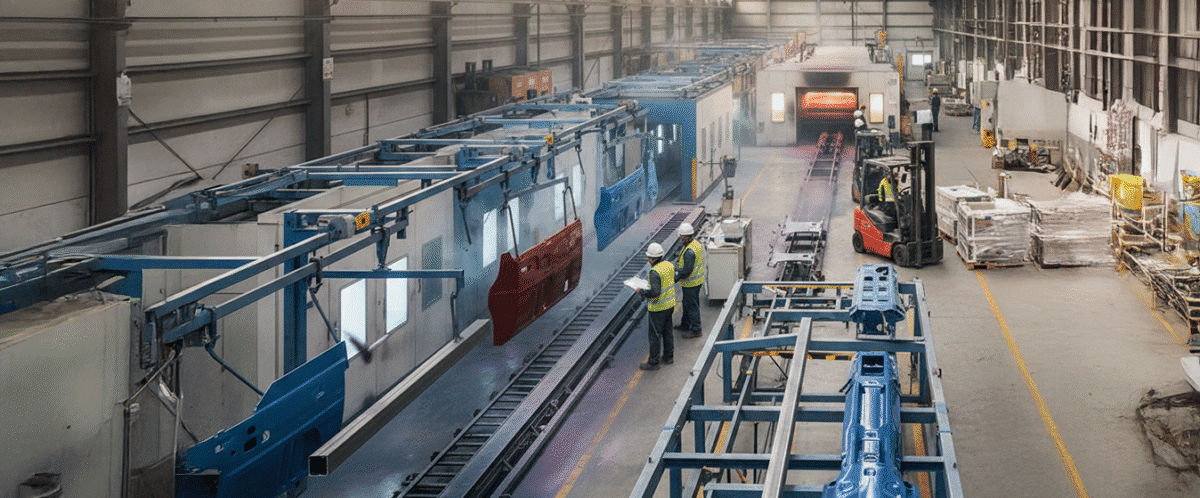
Unitized systems, in particular, offer remarkable time savings. Because most of the fabrication happens in factories under strict quality control, installation becomes faster, safer, and less dependent on changing weather conditions. This is extremely useful for high-rise commercial projects and buildings that require rapid delivery schedules.
Aluminium is one of the most recyclable materials in the world. It requires 95% less energy to recycle compared to producing new aluminium. This makes every aluminium curtain wall system inherently sustainable and aligned with the global shift toward circular construction practices.
Developers and architects increasingly prefer aluminium because it supports their environmental goals without compromising performance or longevity.
| Feature | Aluminium Curtain Wall Systems | Steel Facades | uPVC Facades |
| Weigh | Very lightweight | Heavy | Light |
| Strength | High strength-to-weight ratio | Very strong but heavy | Moderate |
| Corrosion Resistance | Excellent | Requires treatment | Good |
| Design Flexibility | Very high | Limited shaping | Limited for high-rise |
| Thermal Performance | High with thermal breaks | Moderate | High |
| Aesthetics | Sleek, modern, premium finish | Industrial look | Basic appearance |
| Sustainability | Fully recyclable | Partially recyclable | Not easily recyclable |
| Maintenance | Low | Medium to high | Low |
| Best Use | High-rise & modern commercial buildings | Industrial structures | Low-rise residential |
In stick-built systems, the aluminium mullions and transoms are installed piece-by-piece on the site. This method is suitable for:
Though installation is slower, the flexibility and control it provides during assembly are beneficial for intricate architectural detailing.
Unitized curtain walls are fabricated in factories and brought to the site as large pre-assembled panels. This method offers:
These systems are particularly ideal for high-rise towers, malls, and large commercial buildings.
Structural glazing uses silicone or structural sealants to support the glass, creating a minimal-frame or frameless appearance. This results in:
Such systems are used in airports, premium corporate towers, luxury retail, and cultural buildings.
Hybrid systems combine aluminium with materials like wood, steel, or composites. They are often chosen for:
Sustainable projects
These systems balance strength, insulation, and unique design finishes.
Aluminium curtain wall systems are now standard across various sectors, such as:
Their versatility makes them suitable for almost any modern building type.
The facade industry is evolving rapidly with new materials and digital technologies. Key advancements include:
These innovations will continue to elevate the capabilities of aluminium curtain wall manufacturers worldwide.
Aluminium curtain wall systems bring together the most important factors needed in modern architecture:
Few materials achieve this level of balance between aesthetics and engineering performance, which is why builders and architects increasingly rely on aluminium curtain walls for creating iconic urban structures.
Aluminium curtain wall systems have become a defining element of modern building design. Their ability to combine sleek aesthetics with high structural performance makes them a natural choice for the evolving needs of contemporary architecture. For developers and architects looking to create future-ready facades, aluminium curtain walls continue to set the benchmark for quality, efficiency, and visual appeal.
Aparna Externa brings together decades of expertise to deliver world-class facade solutions. The company specialises in curtain walls, glass assemblies, skylights, aluminium systems, and digital facade engineering, ensuring precision, speed, and high performance across every project. Backed by innovation, reliability, and a strong commitment to architectural excellence, Aparna Externa continues to elevate modern skylines with facades that blend beauty, durability, and advanced engineering.