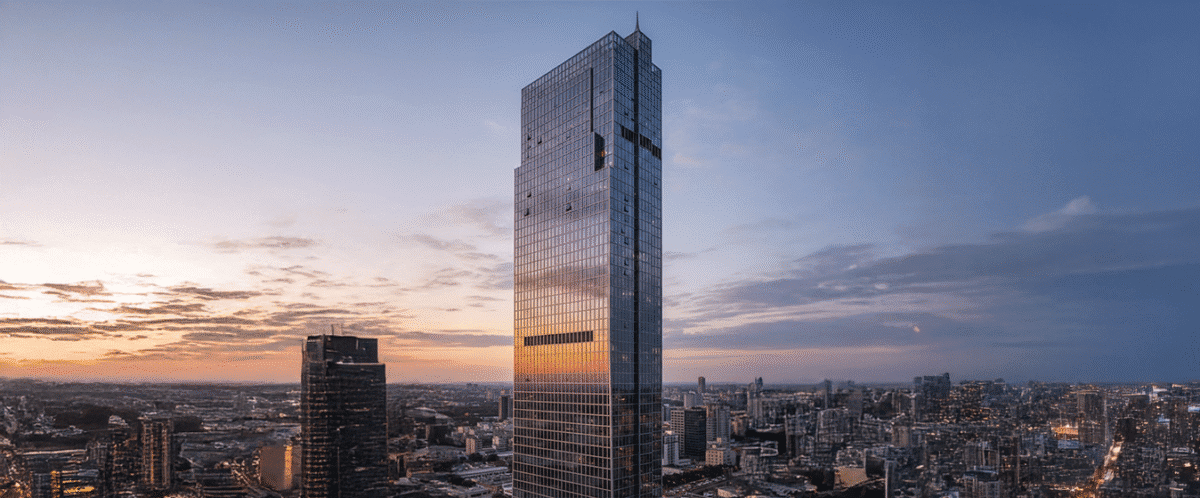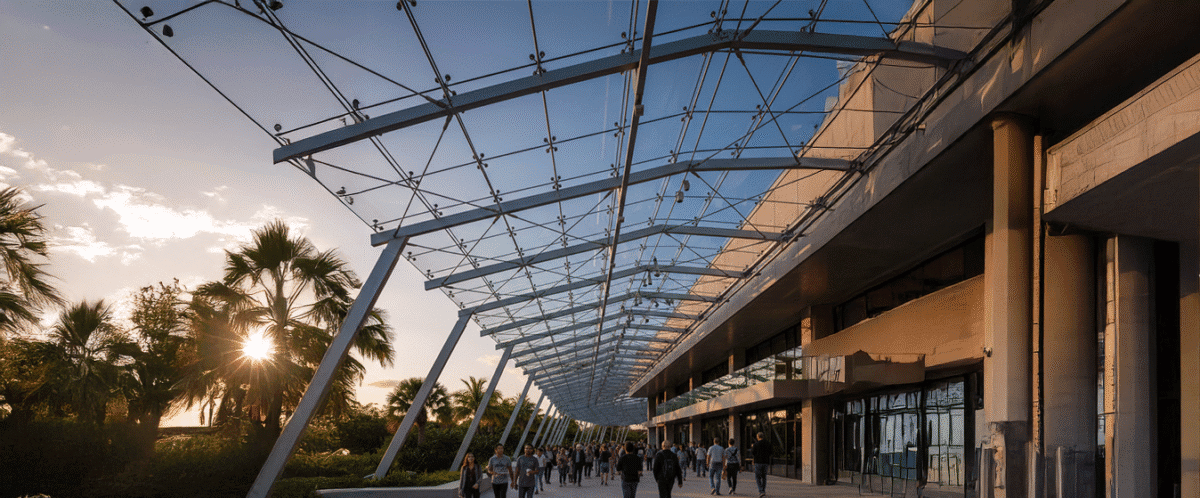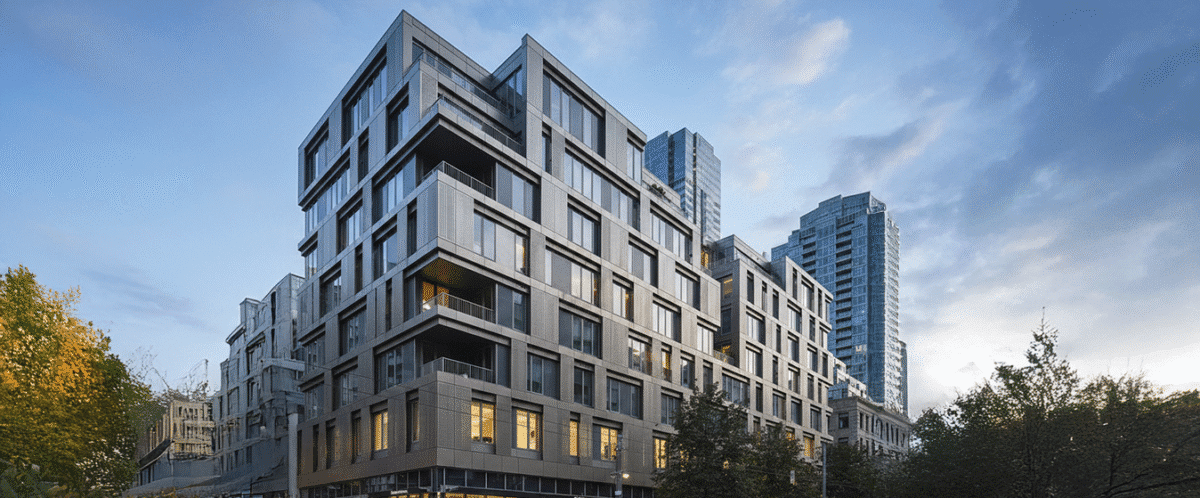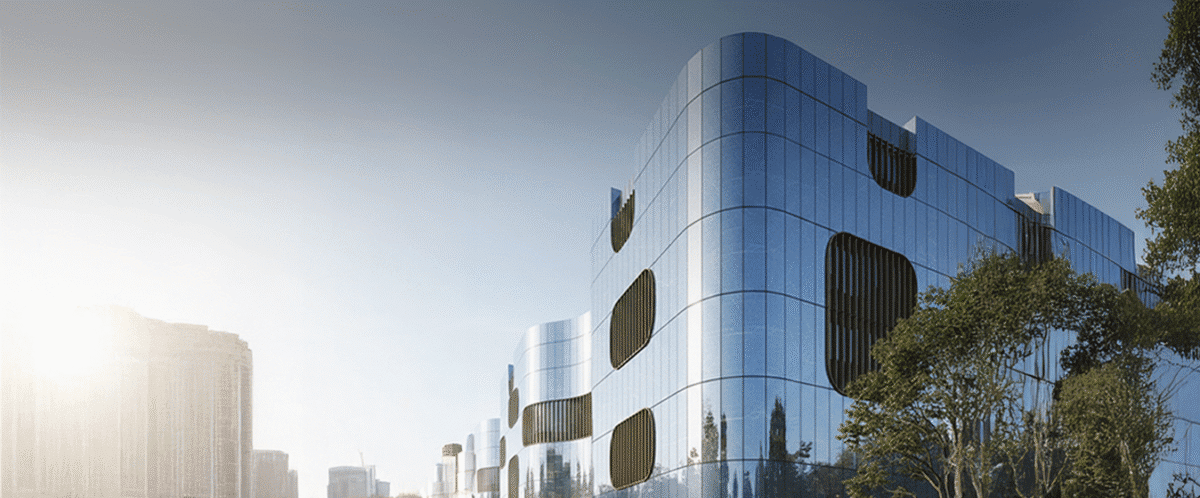

For most organisations, the New Year signals fresh planning cycles, budget reviews, and long-term decision-making. Buildings are no different. While upgrades often focus on interiors, services, or equipment, the facade, which is the building’s outermost layer, rarely receives the same strategic attention. Yet, it is the facade that defines how long a building lasts, ages, and presents itself to the city.
Rethinking a building’s facade at the start of the year is not about visual change alone. It is a practical, forward-looking decision tied to performance, durability, energy efficiency, and long-term asset value. When planned early, facade improvements can align seamlessly with operational goals, sustainability targets, and evolving environmental demands, especially when approached through well-engineered facade systems rather than surface-level upgrades.
The beginning of the year presents a natural opportunity to reassess how a building is functioning as a whole. Facility managers and asset owners typically review maintenance costs, energy bills, and capital expenditure during this period. The facade plays a critical role in all three, yet it is often addressed only when visible damage appears.
A facade is not a decorative shell. It is a performance system that protects the structure, regulates heat and light, and influences indoor comfort. Over time, materials fatigue, seals weaken, and older systems struggle to cope with changing climate conditions. What may have worked a decade ago can quietly become a source of inefficiency and recurring maintenance.
Planning facade upgrades early in the year allows building owners to move away from reactive fixes and toward structured, long-term solutions. It also provides time to assess existing conditions, explore material and engineering options, and engage experienced facade manufacturers without operational pressure. Instead of emergency repairs, the focus shifts to performance optimisation and future readiness.
The facade acts as the primary interface between a building and its environment. Every degree of heat gain, every instance of water ingress, and every fluctuation in daylight passes through this envelope. When the facade underperforms, the building compensates through higher energy use and increased maintenance.
Energy efficiency is one of the most immediate areas where facade performance becomes evident. Poorly designed or outdated facades allow excessive heat gain, forcing cooling systems to work harder. In contrast, modern facade systems are designed to balance insulation, solar control, and daylight penetration. This balance reduces dependency on artificial lighting and mechanical cooling, lowering operational costs over time.
Occupant comfort is closely tied to facade quality. Uneven indoor temperatures, glare, or external noise are often symptoms of facade limitations rather than interior design issues. High-performance glazing, precise aluminium systems, and well-engineered assemblies help create stable internal environments that support productivity and well-being.
Durability is another crucial factor. Facades must withstand constant exposure to heat, rain, wind, and pollution. Older materials may deteriorate faster under today’s environmental stress, leading to corrosion, seal failures, and surface degradation. Upgrading the facade using tested systems from a reliable facade solutions manufacturer improves resistance to these forces and extends the building’s service life.
Urban environments are changing rapidly. Rising temperatures, unpredictable rainfall patterns, and increasing pollution levels place new demands on building envelopes. Facades designed without these factors in mind often show signs of stress much earlier than expected.
Heat management has become a central concern, particularly in dense cities where buildings are exposed to prolonged solar radiation. Facades that lack effective thermal control contribute to overheating, increasing energy consumption, and reducing indoor comfort. Modern facade solutions address this through advanced glazing, shading integration, and thermally efficient aluminium systems.
Water management is equally important. Intense rainfall events can exploit weaknesses in joints, seals, and drainage paths. Facade upgrades that incorporate improved detailing and tested systems help prevent moisture penetration and the structural issues that follow.
Sustainability expectations have also reshaped how facades are evaluated. Material longevity, recyclability, and lifecycle performance are now key considerations. Working with experienced facade manufacturers ensures that durability and environmental responsibility are built into the system rather than added later as corrective measures.
Facade design has evolved significantly over the past decade. The focus has shifted from heavy, visually dominant exteriors to lighter, cleaner, and more performance-driven envelopes. Minimalism in appearance is often paired with high levels of engineering sophistication behind the scenes.
Aluminium curtain walls, large-format glass assemblies, and modular facade systems have become central to contemporary architecture. These systems offer flexibility in design while maintaining structural integrity and performance. Their precision allows architects to achieve complex geometries without compromising on durability or efficiency.
Technology plays a decisive role in modern facade engineering. Digital modelling enables teams to simulate performance, refine details, and coordinate interfaces before construction begins. This approach reduces on-site risk and ensures predictable outcomes which is a major advantage when working with a specialised facade solutions manufacturer.
Early planning is especially important for such systems. Facades involve close coordination between design intent, structural requirements, fabrication, and installation. When these elements are aligned from the start of the year, projects benefit from smoother execution and fewer compromises during construction.
The New Year presents an ideal opportunity to evaluate how well a building’s facade is performing and how it will meet future demands. Early planning allows building owners to align facade upgrades with budgets, sustainability goals, and operational priorities, avoiding the risks and costs associated with delayed intervention.
Facades influence far more than appearance. They shape energy efficiency, occupant comfort, durability, and long-term asset value. Investing in high-performance facade systems at the right time ensures buildings remain resilient, efficient, and visually relevant within evolving urban environments.
Aparna Externa delivers world-class facade construction solutions encompassing curtain walls, aluminium windows and doors, suspended glass assemblies, skylights, and customised exterior systems. Backed by digitalised facade engineering, precision execution, and a strong focus on sustainability and architectural excellence, Our company is committed to creating high-performance building exteriors that stand the test of time and transform architectural norms.
Q1. Why is the facade important?
The facade protects the building from heat, rain, wind, and pollution while controlling daylight and ventilation. It acts as the building’s first line of defence and directly affects energy efficiency, indoor comfort, and structural durability. A well-designed facade also defines the building’s visual identity and helps reduce long-term operational and maintenance costs.
Q2. How does facade design impact building value?
Facade design increases building value by improving energy performance, lowering maintenance needs, and enhancing occupant comfort. Modern facade systems strengthen curb appeal and create a strong first impression, which supports higher asset valuation. In commercial and institutional buildings, a high-quality facade also reinforces brand image and long-term market competitiveness.
Q3. What are the benefits of facade patterns?
Facade patterns manage sunlight, reduce glare, and improve thermal performance by breaking direct solar exposure. Designers use patterns to add visual depth and architectural character without increasing material weight. When applied thoughtfully, facade patterns enhance both building performance and aesthetic appeal.
Q4. How do you maintain a facade?
Building owners maintain a facade through regular inspections, planned cleaning, and timely repairs. Routine checks help identify seal wear, surface damage, or moisture issues early. Durable materials and well-engineered facade systems simplify maintenance and ensure consistent performance over time.
Q5. What is the lifespan of a facade?
A facade lasts several decades when designers select high-quality materials and engineers execute the system correctly. Aluminium and glass facade systems offer long service life with minimal performance loss when maintained properly. While seals and finishes may need periodic replacement, the core facade structure continues to perform reliably throughout the building’s lifecycle.