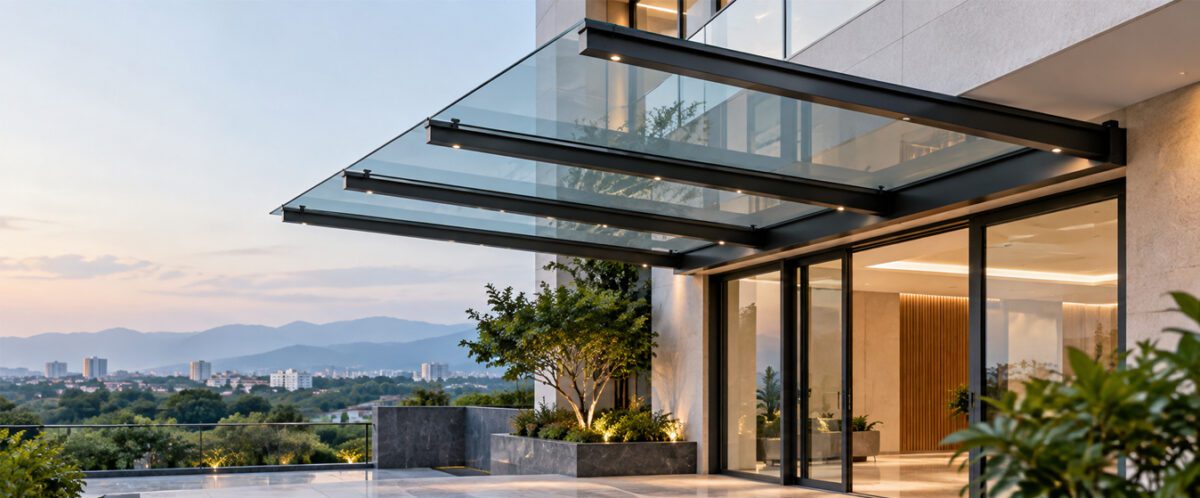

Many commercial buildings look modern from the outside, but still struggle with heat, glare, and constant maintenance.
That’s a growing challenge in Indian commercial construction today. Buildings deal with harsh sunlight, heavy rain, pollution, and rising energy costs throughout the year. A visually appealing exterior alone is no longer enough.
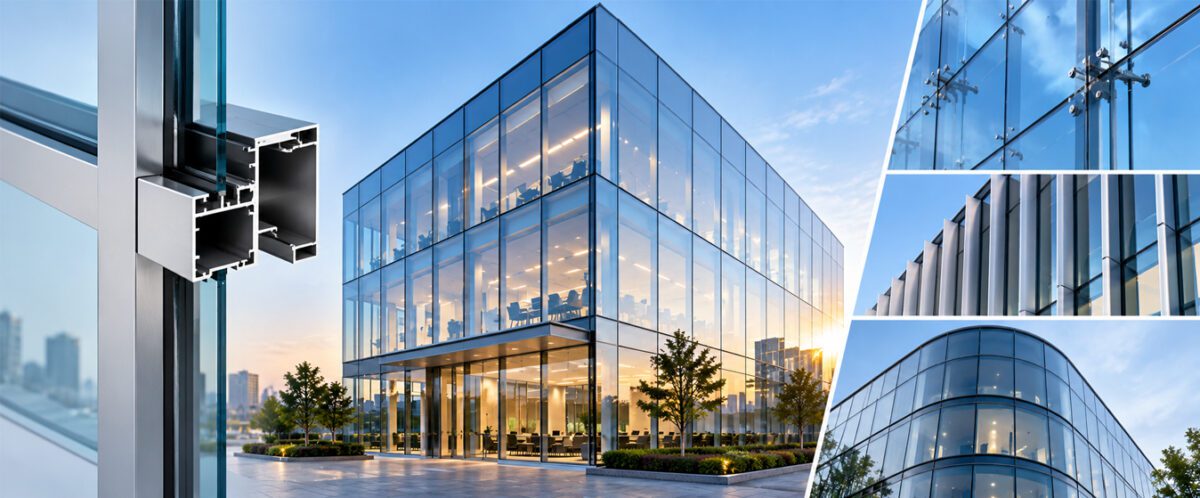
Modern exterior wall design now helps buildings improve comfort, control heat, manage weather exposure, and perform better over time. Solutions like the glass curtain wall system and exterior curtain wall system are becoming an important part of modern commercial architecture.
This blog will take you through how these facade systems solve key construction challenges.
Commercial buildings aren’t expected to simply look modern anymore. They have to perform consistently.
That expectation has changed the way architects and developers approach exterior planning. Earlier, facades were often treated as the final visual layer added after the structure was complete. Now, the facade is planned much earlier because it directly impacts how the building behaves over time.
A poorly designed exterior creates problems almost immediately. Heat builds up indoors. Glare becomes difficult to control. Moisture starts affecting surfaces. Maintenance requirements increase faster than expected.
On the other hand, a thoughtfully planned facade works quietly in the background. It controls heat gain, improves insulation, manages daylight, and protects the structure from environmental exposure without drawing attention to itself.
In Indian commercial construction, that difference matters a lot. Buildings operate under intense climate conditions for most of the year, and the exterior has a major role in determining long-term efficiency.
Heat remains one of the biggest concerns in commercial architecture across the country.
Large office buildings and commercial towers absorb a significant amount of solar heat during the day, especially in dense urban areas where glass-heavy structures dominate the skyline. When facade planning doesn’t account for thermal performance, interiors heat up quickly.
That automatically increases the load on cooling systems. Over time, energy consumption rises sharply.
Indian weather conditions can be demanding on exterior surfaces. Long monsoon seasons, humidity, airborne dust, and urban pollution gradually affect how buildings age.
Poorly detailed exteriors often develop seepage issues, corrosion, staining, or material deterioration much earlier than expected. In high-traffic city environments, pollution further increases maintenance pressure.
Commercial projects need facade systems that can handle these conditions without constant repair work.
Natural light improves the quality of commercial interiors instantly. Offices feel more comfortable. Retail environments become more inviting. Daytime energy usage also reduces.
But too much sunlight creates another issue altogether. Harsh glare and indoor overheating quickly make spaces uncomfortable.
The real challenge lies in controlling daylight rather than blocking it completely.
Commercial developments usually work against tight schedules. Delays affect leasing plans, budgets, and overall project delivery.
Traditional facade installation methods often slow things down because most of the work happens entirely on-site. That process takes time and leaves more room for execution inconsistencies.
Exterior maintenance doesn’t stop after handover.
Buildings need regular upkeep if the materials used aren’t durable enough.
Developers today prefer facade systems that maintain their appearance longer while reducing operational costs over the years.
Modern facade systems are designed with performance in mind from the very beginning.
Instead of functioning as decorative outer layers, they actively help buildings respond better to environmental conditions.
One of the biggest advantages of modern exterior wall design is improved thermal control.
Insulated panels, high-performance glazing, and external shading systems help reduce direct heat transfer into the building. Interiors remain cooler and more comfortable, even during peak summer conditions.
A well-designed glass curtain wall system allows daylight to enter without bringing in excessive solar heat. That balance becomes extremely important in Indian commercial spaces where cooling demand remains high throughout most of the year.
Many projects also use thermally broken aluminium sections and double-glazed units to improve insulation performance further.
Modern facade systems are built to handle changing weather conditions far more effectively than older exterior treatments.
Advanced sealing methods, drainage systems, and weather-resistant materials help prevent water infiltration during heavy rainfall. Aluminium systems work particularly well because they resist corrosion and maintain structural stability over time.
An exterior curtain wall system also acts as an additional protective envelope around the structure, reducing direct exposure to moisture and pollutants.
Good facade planning doesn’t cut off natural light. It manages it intelligently.
Louvers, shading fins, layered skins, and carefully selected glazing specifications help control brightness while keeping interiors naturally lit. This creates more comfortable working environments without making spaces feel closed in.
Durability has become a major consideration in large commercial projects.
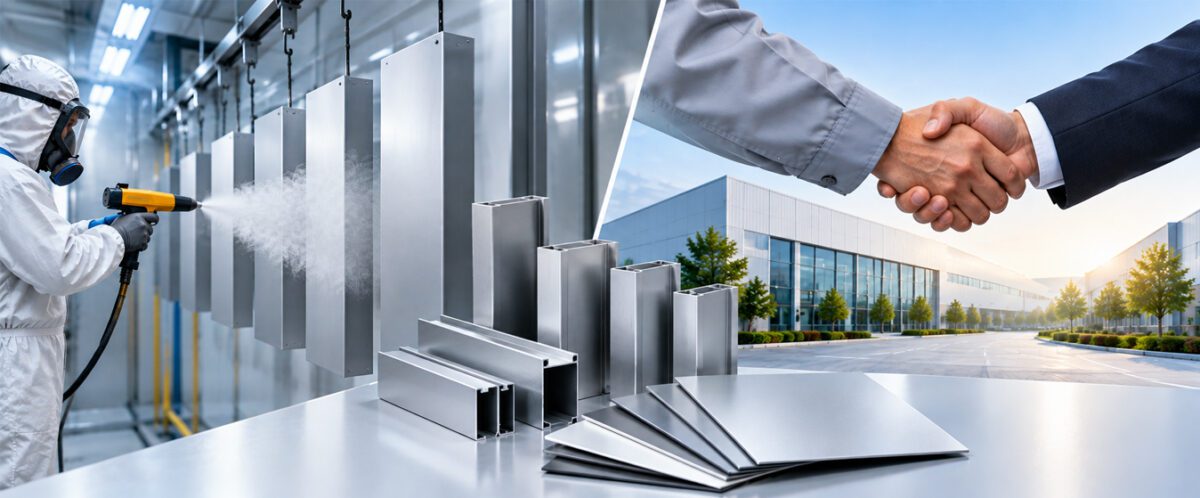
Modern facade materials are engineered to handle long-term environmental exposure with minimal deterioration. Smooth surface finishes, treated aluminium sections, and advanced cladding systems resist dust accumulation and surface damage more effectively.
That reduces frequent repair work and helps buildings retain a cleaner appearance over time.
Speed matters in commercial construction.
Many facade systems today rely on prefabricated components manufactured off-site under controlled conditions. Once delivered to the project location, installation becomes quicker, cleaner, and far more accurate.
The process improves consistency across large facade surfaces while reducing on-site complications significantly.
| Challenge | Solution |
| Excess Heat | Insulated walls and shaded glass |
| Heavy Rainfall | Water-resistant exterior systems |
| Dust and Pollution | Easy-to-clean surface materials |
| Harsh Sunlight | Louvers and controlled daylight |
| Construction Delays | Prefabricated installation methods |
| Frequent maintenance | Durable aluminium structures |
| Poor Indoor Lighting | Balanced natural light planning |
| Lack of Visual Appeal | Clean and modern exterior finishes |
Glass continues to define modern commercial architecture across Indian cities. It improves openness, strengthens visual connectivity, and allows natural light to move deeper into interior spaces.
Improved glazing technologies now make these systems far more suitable for Indian climate conditions than before.
Commercial buildings are increasingly being designed to respond directly to sunlight and heat exposure. Shading devices, layered skins, and double-skin facades help reduce direct solar gain while still maintaining daylight access.
Speed and precision have become essential in commercial construction. Prefabricated systems simplify installation while improving execution quality across large-scale projects.
Many modern exterior curtain wall system solutions now depend heavily on modular fabrication methods.
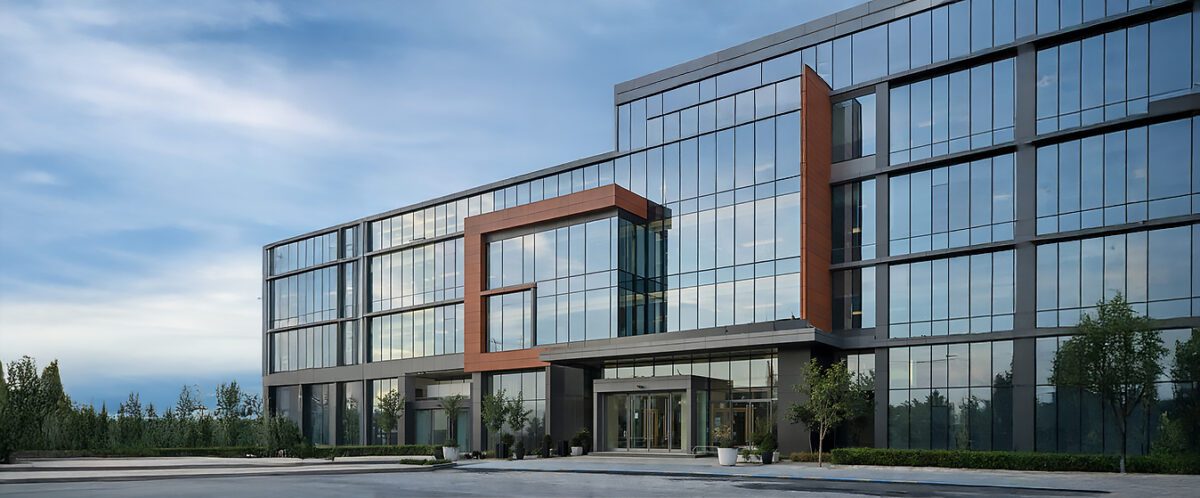
Commercial architecture today rarely depends on a single material palette. Glass, aluminium, stone, terracotta, and engineered panels are often combined to create depth, texture, and a stronger visual identity.
Sustainability continues to influence facade planning across commercial developments. Green walls, passive cooling methods, and energy-conscious material selection are becoming increasingly common in modern projects.
Commercial buildings in India need more than good-looking exteriors today. They must handle heat, rain, pollution, and long-term performance efficiently.
That is why modern exterior wall design has become an important part of commercial construction. Solutions like the glass curtain wall system and exterior curtain wall system help improve comfort, durability, energy efficiency, and overall building performance.
For projects that require reliable and modern facade solutions, Aparna Externa delivers systems designed around performance, precision, and modern commercial architecture needs.
Modern buildings need to handle heat, rain, pollution, glare, rising energy costs, fast construction timelines, and regular maintenance.
Builders commonly use aluminium in modern facades because it is lightweight, durable, rust-resistant, and works well with large glass surfaces.
Clean designs, large glass panels, simple finishes, balanced lighting, and well-planned exterior walls give a building a modern look.