
Ever wonder why some buildings last for years and years and remain warm, comfortable, attractive, and robust, while others begin to deteriorate so much earlier?
One of the main reasons is the facade.
In most cases, the exterior of a building is considered a design element. In fact, it does much more than make a positive impression. The facade is exposed to heat, rain, wind, dust and pollution on a daily basis. It preserves the building structure, contributes to the indoor comfort and is an essential part of the building’s efficiency.
Over the years, facades have moved far beyond the walls of a building; with the evolution of modern construction, facades are now an integral part of the building itself. Today they have been developed to provide safe, sustainable, durable and aesthetic systems.
So, if you’ve ever asked yourself, what is the facade, here’s everything you need to know.
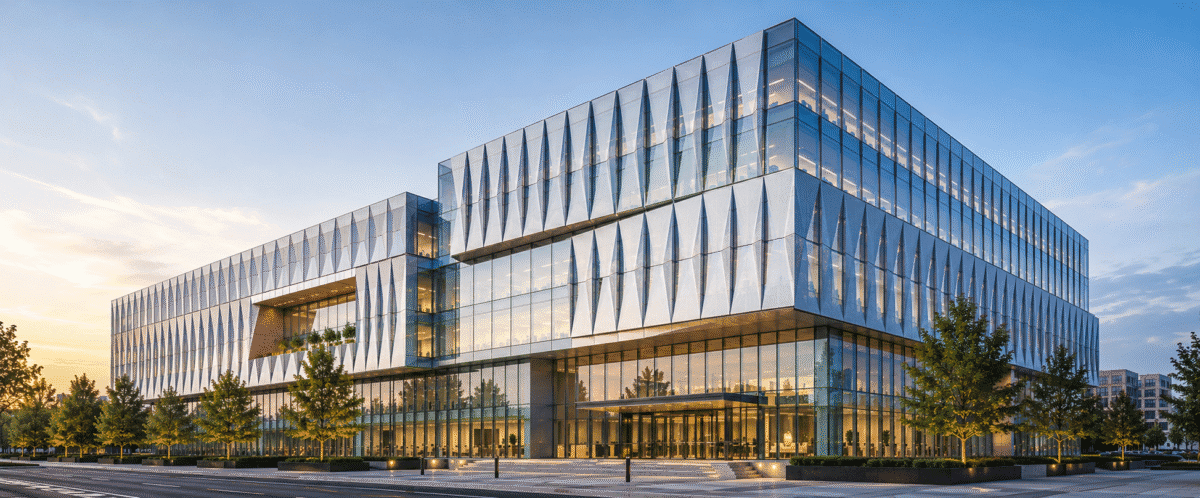
A facade, simply put, is the front side of a building.
It is an exposed outer layer that provides separation between the interior and exterior environments. Any building, from a residential tower to an office building, a hospital, a hotel, or an educational building, has a facade.
But a facade is more than just a front face.
It’s like the skin of the building. A human body is covered by skin that protects it from the environment, and a building is protected by a facade from the weather, temperature changes, moisture, dust and other environmental factors.
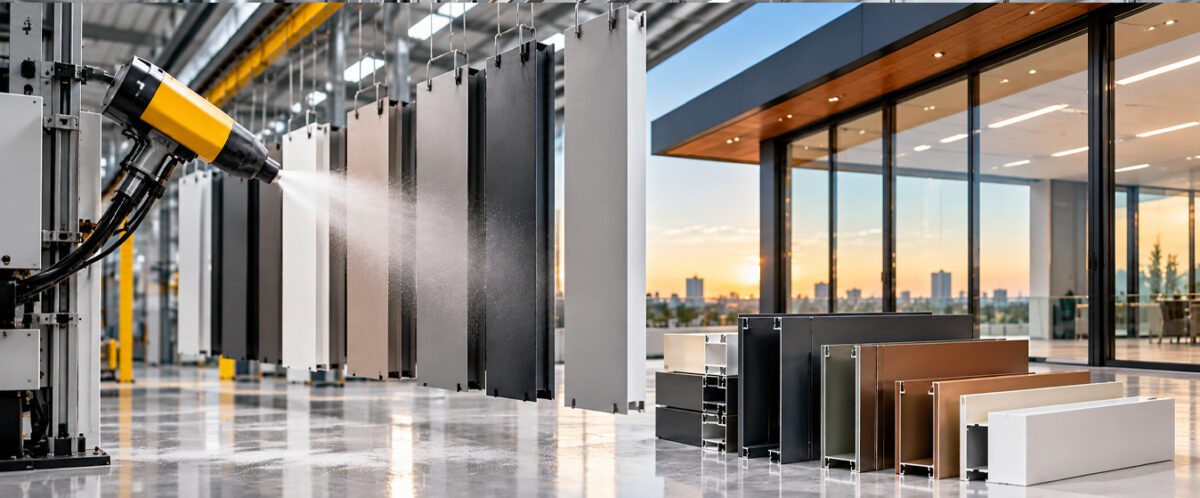
Contemporary facades can be constructed of aluminium, glass, steel, stone, concrete and composite panels. The latter are typically employed in high-end facade systems designed for long-term performance and aesthetics.
In years gone by it was just about pretty facades. Architects and engineers today have high expectations for a facade to do much more. They need to be more comfortable, sustainable, resistant to environmental factors and deliver long-term structural performance.
This is the reason why facades have grown to be of such significance in the design of contemporary buildings.
Buildings have undergone a great deal of evolution in terms of their needs over the years.
The current facade design is an essential part of the building’s performance, as it enables the building to fulfill architectural and sustainability needs.
The outside of a building is constantly exposed to weather elements. Structure may be influenced over time by intense sunlight, heavy rain, dust, pollution and high winds. An adequately designed facade is able to contribute towards mitigating these issues.
The building, meanwhile, affects the facade’s performance every day. It impacts on the temperature, light, energy use and maintenance of the indoor environment.
The architectural aspect must be taken into account as well. When anyone gets into a building, it’s first looking at the outside. The facade will make a lasting impression and can be one of the most recognizable elements of the project.
The facade is important to the performance and appearance of a commercial tower, residential complex, educational building or healthcare facility.
A facade performs several important functions simultaneously. Each function contributes to the overall performance of the building.
In a country like India, managing heat is a major challenge for most buildings.
A good facade helps control the amount of heat entering the structure. This keeps indoor spaces cooler and reduces the pressure on air-conditioning systems.
When a building requires less cooling, it uses less energy. Over time, this can lead to significant savings in operational costs.
Many modern facade design include high-performance glass, shading elements, and insulated materials to improve thermal performance.
Buildings are open to the elements all the time throughout their lives. If not well controlled, structural components can be impacted over time by rain, wind, humidity, and temperature changes.
The facade protects against these conditions.
It prevents water infiltration, reduces exposure to environmental pollutants and helps to safeguard the building from long term deterioration. Weather protection can greatly increase the useful life of a structure and minimize maintenance needs.
Comfort is more than just keeping the temperature in check.
Quietness, health and pleasantness are also expected as part of the indoor environment. The facades contribute to the reduction of noise from outside the building and contribute to the general room climate.
The face is one of those reasons on many occasions when you have gone from a very busy road to a quiet office or hotel.
An attractive facade allows for greater comfort to people in work, learning, living and leisure areas.
Natural light is a key component in creating healthy and comfortable environments.
The facade design has an effect on the amount of daylighting entering the building. A proper balance can enhance the level of daylighting while reducing excessive heat gain and glare.
Facade systems are frequently employed by architects to increase daylight while also maintaining thermal efficiency. This method is used to brighten up interiors and to diminish the need for artificial lights in the day.
The safety of the building take priority in each and every building construction project.
The facade system needs to satisfy structural, safety and performance requirements as specified in building codes. The safety of the building is dependent on such factors as material selection, material quality in installation and system design.
Curtain walls are among the most recognisable facade systems in contemporary architecture.
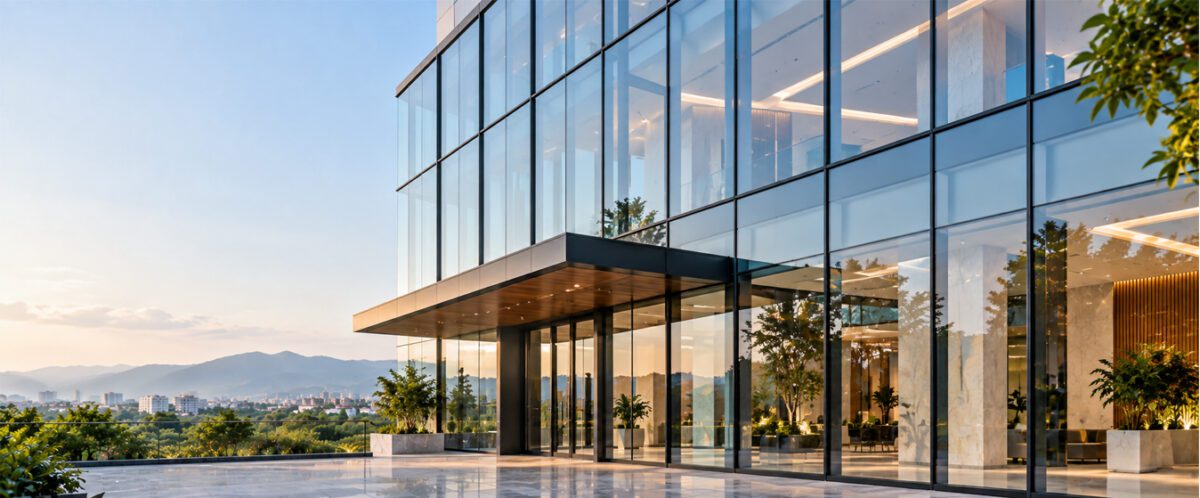
These systems attach to the building’s structural frame and typically combine large glass panels with aluminium framing. Since they do not carry structural loads, they allow architects greater freedom in creating transparent and visually striking exteriors.
Commercial towers, office buildings, and mixed-use developments frequently use curtain wall systems because they create a modern appearance while allowing natural light to enter interior spaces.
Cladding is an external facade added to the building structure.
This way, architects can improve protection as well as beauty while not impacting the primary system. The most frequently used materials for cladding are aluminium panels, stone, fibre cement, terracotta and composite materials.
Cladding systems can be designed flexibly and provide protection against the elements.
Long term building performance requires control of moisture.
The solution to this problem is a rainscreen facade, which includes a gap between the facade’s outside layer and the main structure. The site creates an area for water to flow through and increase circulation behind the building’s facade.
This system helps to better manage moisture and keeps the building envelope intact in the long term.
A double-skin facade includes two exterior layers separated by an air cavity.
This design improves insulation and creates additional opportunities for energy savings. The cavity helps regulate temperature and can also improve acoustic performance.
Although these systems require more complex planning, they have become increasingly popular in projects focused on sustainability and environmental performance.
Sustainability has become a major priority across the construction industry.
Buildings consume significant amounts of energy throughout their lifespan. A well-designed facade can help reduce that consumption.
By controlling heat gain and improving insulation, facades reduce the need for excessive cooling and heating. This lowers energy demand and improves overall building efficiency.
Facades also help maximise natural daylight. When buildings receive more daylight, they rely less on artificial lighting during the day.
Material selection contributes to sustainability as well. Durable materials last longer and reduce replacement requirements. Recyclable materials help minimise environmental impact at the end of their service life.
Together, these benefits make facades an important part of sustainable building design.
Modern buildings are becoming increasingly sophisticated.
Today’s facade systems must meet performance requirements that were not common a few decades ago. They need to manage heat, withstand weather, improve comfort, support sustainability goals, and comply with safety standards.
Achieving all this requires specialised expertise.
Facade engineers work closely with architects, consultants, manufacturers, and construction teams to ensure every component functions as intended.
They use advanced software, digital modelling tools, and engineering analysis to evaluate performance before construction begins.
Their work helps ensure that the final facade performs efficiently throughout the life of the building.
As the construction industry moves forward, facade manufacturers will help shape smarter, safer, and more sustainable buildings.
A facade is much more than the outer surface of a building. It helps protect the structure, keeps indoor spaces comfortable, improves energy efficiency, and gives the building its overall look and character.
As buildings become smarter and more sustainable, choosing the right facade has become more important than ever.
Planning your next project and looking for a facade solution that balances design, performance, and long-term value? Aparna Externa brings together advanced facade engineering, innovative systems, and industry expertise to help turn architectural vision into reality.
Q1. What is a facade in building construction?
A facade is the exterior face or outer layer of a building. It is the first thing people notice and acts as a protective barrier against the sun, rain, wind, dust, and pollution. It also plays a major role in shaping the building’s overall appearance and character.
Q2. What is the purpose of a facade?
The purpose of a facade is to protect the building from weather and environmental conditions while improving indoor comfort. It can help control heat, reduce noise, bring in natural light, improve energy efficiency, and improve thel look of the structure.
Q3. What is the difference between a building and a facade?
A building is the complete structure, including its foundation, walls, floors, roof, and internal spaces. A facade is only the outer layer or visible face of the building. It covers and protects the structure while giving it its unique architectural identity.