
What makes a commercial building look modern at first glance?
It is usually the facade.
It is the outer layer that shapes how a building looks and performs in real conditions. Today, facade systems are not just about design. They control heat, light, noise, and protection.
In simple terms, the facade is what people see, but also what keeps the building working efficiently every day.
Let’s dive in.
A facade system is basically the outer envelope of a building, but that definition feels too small for what it actually does.
Think of it as a controlled barrier between inside and outside conditions.
It deals with wind pressure, rain impact, heat gain, dust, and even sound. At the same time, it supports the architectural language of the building.
Most modern facade systems combine multiple layers and materials. Glass, aluminium, steel, and composite panels come together as one engineered assembly.
What matters here is performance. Not just appearance.
A proper facade system ensures:
It behaves less like a wall and more like a responsive skin.
That is why architects now treat facade planning as a core design decision, not a finishing step.
Commercial buildings run on performance expectations. They cannot afford inefficiency in energy use or maintenance cycles.
A facade system directly affects both.
In cities, buildings face constant exposure to heat, pollution, rain, and noise. Without a strong external envelope, interiors become unstable and expensive to maintain.
Energy consumption is one of the biggest reasons facades are carefully engineered today. When heat enters freely, cooling systems work harder. A well-designed facade solution reduces that load without compromising natural light.
There is also the identity factor. Offices, malls, and hotels depend on visual recognition. The facade becomes the face of the business.
Then comes safety. Fire resistance, wind load handling, and structural stability are no longer optional checks. They are mandatory expectations in commercial projects.
So, a facade system quietly holds together three things at once, like efficiency, identity, and safety.
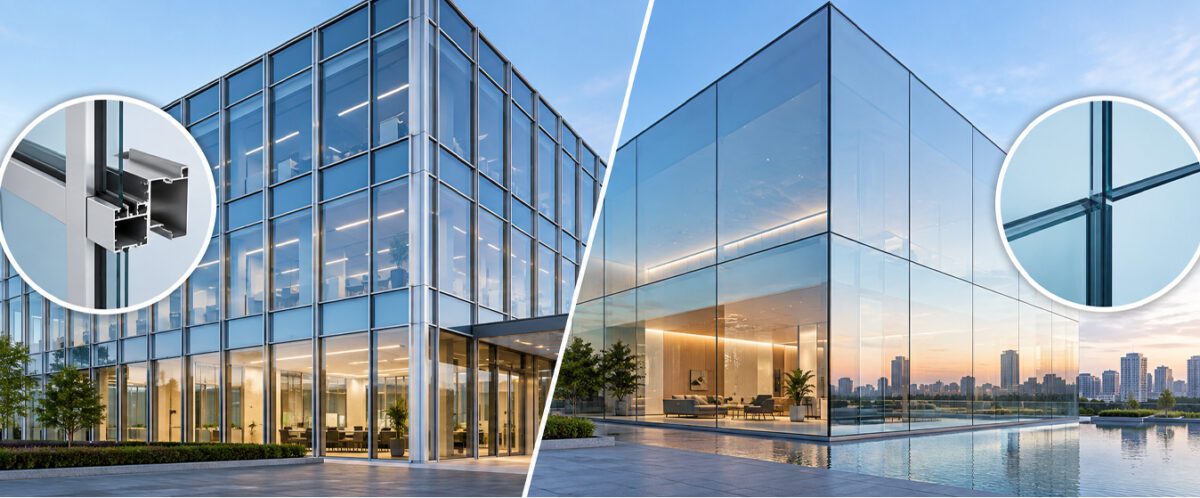
Curtain walls are among the most common systems in modern high-rise construction.
They do not carry the building load. Instead, they hang from the structure like a protective outer layer.
Glass dominates this system, often supported by aluminium framing. That is where aluminium glass facade systems become relevant in large commercial towers.
They allow daylight to enter deeply while maintaining structural safety.
The result is a clean, transparent exterior that fits corporate architecture very well.
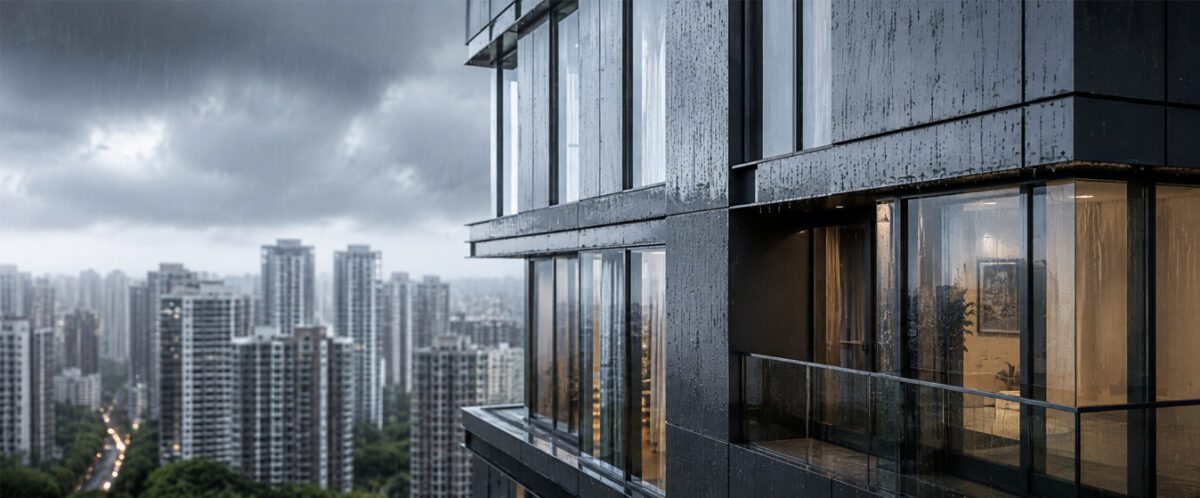
Rainscreen systems work differently. They create a gap between the outer skin and the building wall.
That gap is not wasted space. It manages airflow and moisture movement.
Rainwater does not sit on the surface. It drains and evaporates through ventilation.
This simple idea improves durability significantly.
In humid or high-rain regions, this system becomes highly practical for long-term building health.
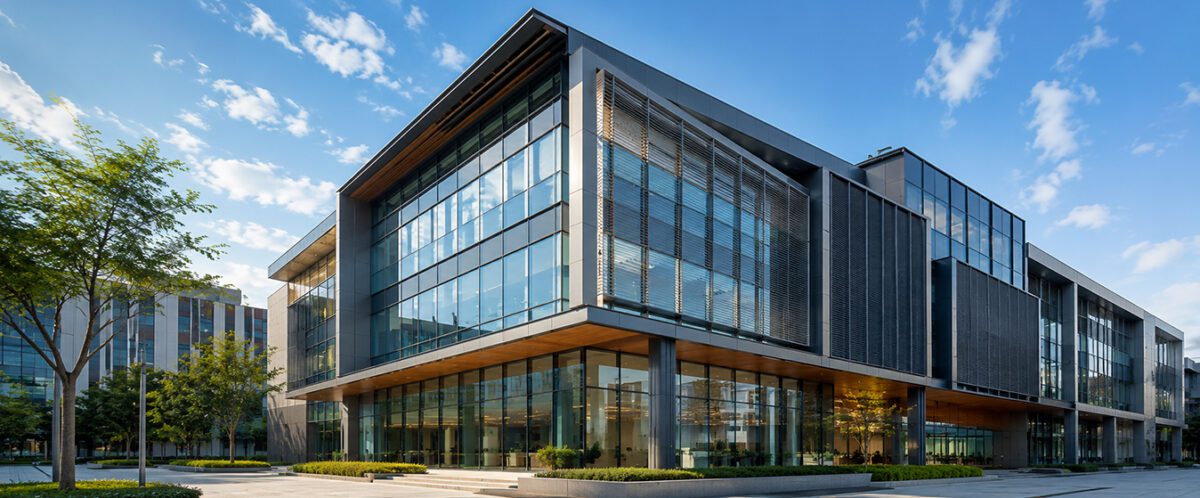
Cladding adds a second layer over the structural wall.
It changes both appearance and protection level.
Aluminium facade system applications are widely used here because the material is light, corrosion-resistant, and flexible in design.
Cladding is often used when older buildings need upgrades or when new projects want faster execution without heavy structural changes.
It also gives architects freedom to experiment with texture and finish.
This system uses two layers separated by an air cavity.
That gap changes everything in performance.
Heat transfer reduces. Noise levels drop. Indoor comfort improves without heavy mechanical load.
It works quietly but effectively in commercial spaces where energy efficiency matters more than visual complexity.
Panelized systems rely on prefabricated units.
These panels are manufactured off-site and installed directly on the building frame.
Speed becomes the biggest advantage here.
Large projects like warehouses or logistics hubs use this system because timelines are tight and repetition is high.
Consistency in finish also improves because fabrication happens under controlled conditions.
Material choice defines how a facade behaves over the years.
Aluminium is the most widely used option today. It stays lightweight, resists corrosion, and adapts easily to design requirements. That is why aluminium facade system solutions are common in both commercial towers and retail buildings.
When combined with glass, it forms aluminium glass facade systems that support modern transparent architecture. These systems allow buildings to feel open while still being fully protected.
Stainless steel enters where strength becomes critical. Airports, hospitals, and heavy-use structures rely on it for durability.
Special metal panels are used in landmark projects where appearance and long life both matter.
Each material brings a different balance of strength, cost, and design flexibility.
The process does not begin on-site. It starts much earlier.
Design teams first simulate how the facade will behave under wind, heat, and load conditions. Digital modelling tools help test performance before anything is built.
After that comes material selection. Climate, fire safety rules, and energy goals influence every decision. Aluminium facade system choices are often preferred because they balance weight and durability.
Fabrication happens next. Panels and frames are manufactured with precision so that installation becomes predictable.
On-site, the system is assembled carefully onto the structure. Alignment matters more than speed here. Even small errors can affect long-term performance.
Modern facade systems bring multiple advantages together in one layer.
| System | Main Purpose | Best Use |
| Curtain Wall | Transparent exterior envelope | Offices, hotels |
| Rainscreen | Moisture and thermal control | Hospitals, institutions |
| Cladding | Protective outer layer | Retail, renovation projects |
| Double Skin | Energy-efficient insulation layer | Premium commercial buildings |
| Panelized | Fast modular installation | Warehouses, logistics hubs |
Facade systems are effective, but not simple to execute.
If any of these steps are missed, performance suffers in the long run.
A facade system is not just an outer cover. It controls how a building performs and looks.
From curtain walls to rainscreen systems, each type serves a specific purpose. Aluminium facade systems are widely used in modern commercial architecture for their balance of strength and design.
A well-planned facade solution improves efficiency, safety, and identity of a building.
For advanced, performance-driven facade solutions, Aparna Externa delivers systems built for modern commercial architecture with durability, precision, and design excellence.
A facade system is the outer covering of a building that protects it from weather, heat, and noise. It also helps improve energy efficiency and gives the building its visual appearance in commercial spaces.
Aluminium is widely used in facade systems because it is lightweight, strong, and corrosion-resistant. It supports complex designs, lasts long in harsh weather, and needs very low maintenance, making it ideal for modern aluminium facade system applications in commercial buildings.
A curtain wall is a non-load-bearing outer skin made mostly of glass and aluminium fixed to the building frame. Cladding is an added external layer over the structure that improves protection, insulation, and overall exterior appearance.