
Commercial buildings today demand façade solutions that offer more than just visual appeal. They need to perform well in different weather conditions, improve energy efficiency, and stand the test of time. That’s why an aluminium facade system has become a preferred choice for modern construction.
However, even the best-designed facade depends on proper installation. Poor execution can lead to water seepage, air leakage, uneven panels, and costly repairs. On the other hand, the right installation practices help the facade deliver the performance it was designed for.
Whether you are planning aluminium glass facade systems or other facade systems, understanding the installation process is key.
In this guide, we will walk through the best practices that help ensure a durable, efficient, and high-performing facade.
An aluminium facade system is engineered to shield a building from the elements and also define its overall look. Its performance isn’t only based on the materials used, however. It also relies on the precision of the installation of the system.
The capacity of the facade to fulfil the desired tasks during the course of its life is significantly aided by a well-thought-out installation. It helps to maintain a building’s resistance to weather, heat conservation and guarantees that all panels fit properly.
Installation errors have the opposite impact, as they can affect the look and performance of the facade, resulting in unnecessary repairs and maintenance.
Some of the main advantages of a good installation:
| Aspect | Proper Installation | Poor Installation |
| Structural Performance | Secure panels with reliable structural support | Loose panels and compromised stability |
| Weather Protection | Better resistance to rain, wind, and moisture | Water seepage and air leakage |
| Energy Efficiency | Improved thermal performance | Higher heat gain and energy consumption |
| Appearance | Uniform panel alignment and neat finishes | Visible gaps, uneven joints, and misaligned panels |
| Maintenance | Lower repair requirements and longer service life | Frequent repairs and higher lifecycle costs |
These benefits don’t happen by chance. They begin with careful planning, the right materials, and a structured installation process.
Let’s look at the practices that lay the foundation for a successful aluminium facade installation.
The successful installation of an aluminium facade system begins long before the first panel arrives on site. Good planning helps avoid delays and rework and ensures the facade performs as expected when it is completed.
Having all stakeholders on the same page from the start makes the installation process smoother and more productive.
Every commercial building has its own design and performance needs. Before finalising the installation approach, some of the following should be considered:
The selection of a facade system should be based on the functional needs of the building, its vision and the construction approach.
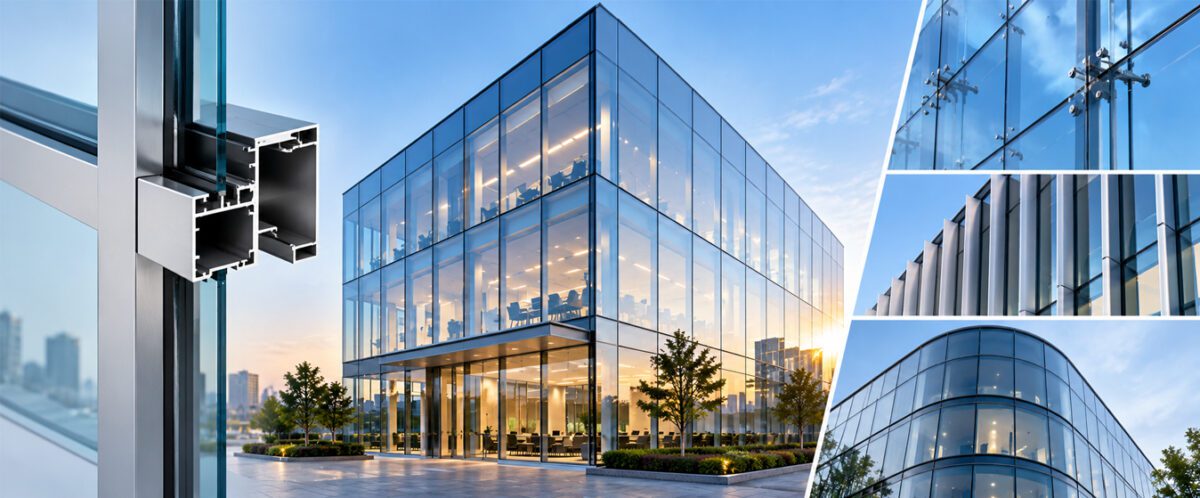
Aluminium glass facade systems are frequently used in office buildings, IT parks, airports and commercial developments where natural daylight, large views and a modern look are desired. Unitised, stick-built or customised facade systems can provide greater installation efficiency and performance, depending on the project.
Choosing the appropriate system at the design phase also makes it easier to fabricate and install and to service in the future.
Facade installation involves multiple stakeholders working towards a common goal. Architects, structural engineers, facade consultants, fabricators, and installation teams must remain aligned throughout the project.
Regular coordination helps:
Installation should begin only after all technical documents have been reviewed and approved.
These typically include:
For complex commercial projects, mock-ups provide an added level of confidence. They allow teams to verify aesthetics, panel alignment, joint detailing, and installation methods before work progresses across the entire facade.
Proper site readiness supports a smooth installation process and reduces the risk of avoidable errors.
Before installation begins, verify that:
Installation schedules should also account for weather conditions. Strong winds, heavy rainfall, or extreme temperatures can affect both installation quality and on-site safety.
Careful planning and site preparation create the right conditions for efficient installation and minimise disruptions during execution.
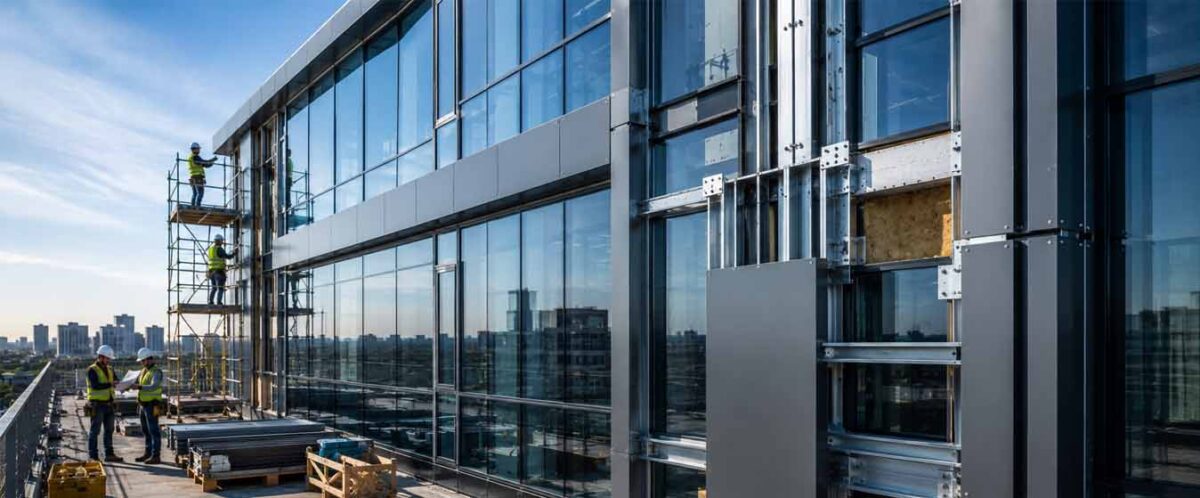
Even a well-thought-out facade can be problematic if the realisation on site is not ideal. Most problems with installation are not the fault of the material but avoidable mistakes in measurement, fixing, handling, or sealing.
Some of the most common mistakes include:
Regular inspections and timely maintenance help keep an aluminium facade system in good condition long after the installation is complete.
Before handing over the project, make sure:
After the building is in use, regular inspections can help identify minor issues before they become major repairs. It’s a good practice to:
Routine cleaning is equally important, especially for aluminium glass facade systems exposed to dust, pollution, and changing weather. Using the recommended cleaning methods helps maintain the finish and keeps the facade looking its best.
A successful facade relies on precision throughout its development. Thoughtful planning, accurate engineering, skilled craftsmanship, and ongoing maintenance are crucial for the performance of an aluminium facade system over time.
For commercial projects, adopting effective installation practices leads to fewer interruptions, enhanced weather resistance, better energy efficiency, and a facade that enhances the building’s aesthetics for years.
With advanced engineering, precision manufacturing, and expert installation, Aparna Externa ensures that every project meets the evolving needs of modern commercial architecture.
Q1. What should you check before installing an aluminium facade system?
Before installation, check the building design, weather conditions, structural support, and approved drawings. Choosing the right aluminium facade system and preparing the site properly help ensure a smooth and successful installation.
Q2. What are the common mistakes during aluminium facade installation?
Common mistakes include wrong measurements, poor panel alignment, improper sealing, using unsuitable fasteners, and ignoring expansion gaps. These can lead to water leakage, uneven panels, and higher maintenance costs.
Q3. How do you maintain an aluminium facade system after installation?
Regular cleaning and inspections help keep an aluminium facade system in good condition. Check sealants, fixings, and panels from time to time so that small issues can be fixed early and the facade lasts longer.